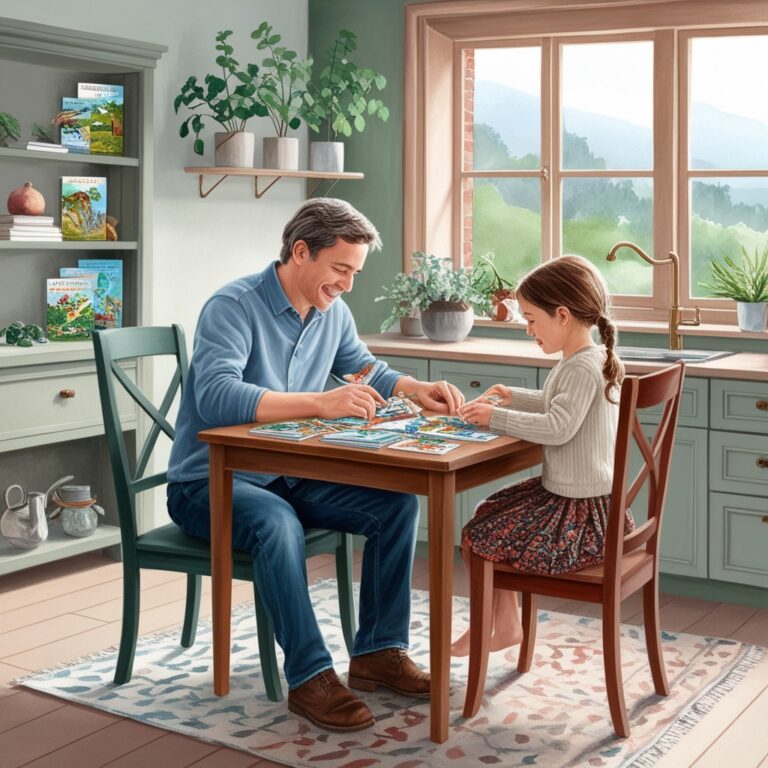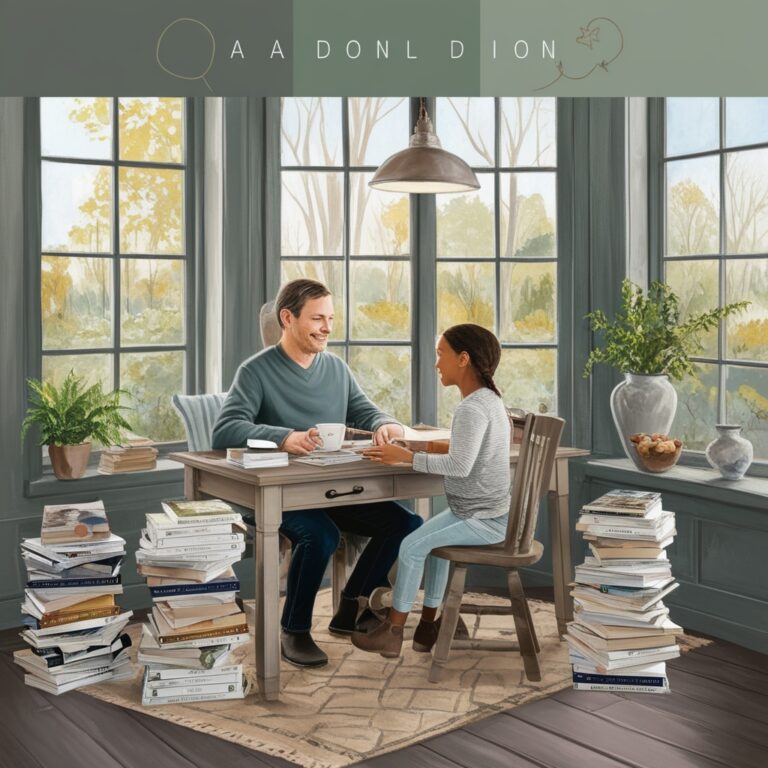
Choosing between Charlotte Mason vs Montessori homeschool methods can feel overwhelming for parents seeking the best educational approach for their children. Both philosophies offer rich, child-centered learning experiences that differ significantly from traditional classroom instruction, yet each takes a distinctly different path toward nurturing young minds.
Understanding these two influential educational approaches will help you make an informed decision that aligns with your family’s values, learning style, and educational goals. Charlotte Mason emphasizes living books, nature study, and character formation through literature, while Montessori focuses on hands-on learning, prepared environments, and child-led discovery.
This comprehensive guide explores the core principles, practical applications, and key differences between Charlotte Mason and Montessori homeschooling methods. You’ll discover which approach might work best for your child’s unique needs and temperament, along with practical tips for implementing either method successfully in your home.
Key Takeaways
- Charlotte Mason emphasizes living books, nature study, and character development through literature and storytelling
- Montessori focuses on hands-on materials, prepared environments, and child-led learning experiences
- Charlotte Mason works well for families who love reading aloud and outdoor exploration
- Montessori suits children who learn best through tactile experiences and independent discovery
- Both methods can be adapted for homeschool families and combined with other approaches
- Success depends on matching the method to your child’s learning style and family preferences
Understanding Charlotte Mason Philosophy
Charlotte Mason, a British educator from the late 1800s, developed her educational philosophy around the belief that children are born persons deserving respect and rich educational experiences. Her approach centers on the principle that education is “an atmosphere, a discipline, a life” rather than merely the acquisition of facts.
The Charlotte Mason method emphasizes three core pillars that shape every aspect of learning. These foundational elements work together to create a holistic educational experience that nurtures both mind and character.
Living Books and Literature
At the heart of Charlotte Mason education lies the concept of “living books” – well-written texts that bring subjects to life through engaging narratives and beautiful language. These books differ dramatically from dry textbooks, instead offering children real encounters with great minds and ideas.
Living books include classic literature, quality historical biographies, nature writings, and carefully selected modern works that inspire and educate. Children develop relationships with these books through regular reading and narration, building both comprehension and communication skills naturally.
Nature Study and Outdoor Learning
Charlotte Mason believed that nature serves as one of the greatest teachers available to children. Her method incorporates regular nature walks, outdoor observations, and detailed nature journaling as essential components of education.
Students spend significant time outdoors, developing observation skills while recording their discoveries through drawings and written descriptions. This practice connects children with the natural world while building scientific thinking and artistic abilities simultaneously.
Character Formation Through Habit Training
The Charlotte Mason approach views character development as equally important as academic learning. Parents focus on cultivating good habits through consistent, gentle guidance rather than harsh discipline or rewards systems.
Habit training covers everything from academic habits like attention and accuracy to personal habits such as kindness, truthfulness, and self-control. This character formation happens naturally through daily routines and the influence of great literature and role models.
Montessori Method Overview
Dr. Maria Montessori developed her educational method in early 1900s Italy, based on scientific observations of how children naturally learn and develop. Her approach recognizes that children possess an innate desire to learn and can direct their own educational journey when provided with appropriate materials and environment.
The Montessori method rests on several key principles that guide both the learning environment and adult interactions with children. These principles create a framework that supports independent learning while respecting each child’s individual developmental timeline.
Prepared Environment
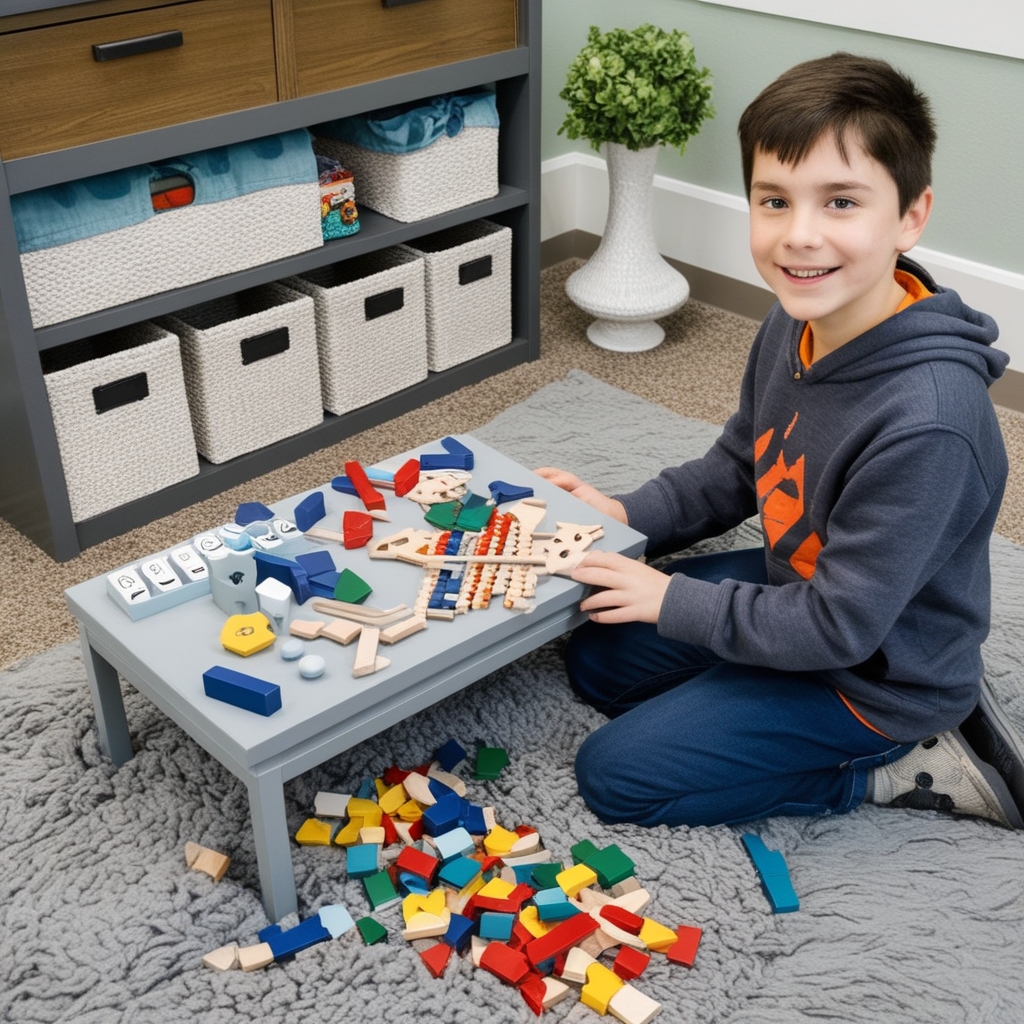
Montessori education emphasizes creating carefully prepared environments that invite exploration and learning. These spaces feature child-sized furniture, organized materials, and beauty that appeals to young learners.
Every item in a Montessori environment has a specific purpose and place, allowing children to work independently while developing order and concentration. Materials progress from simple to complex, building skills systematically as children master each level.
Hands-On Learning Materials
Montessori materials are specifically designed to be self-correcting, allowing children to discover mistakes independently and develop problem-solving skills. These concrete materials help abstract concepts become tangible and understandable.
Examples include golden beads for mathematics, sandpaper letters for reading, and practical life activities like pouring and sorting. Each material isolates specific skills while engaging multiple senses to reinforce learning.
Child-Led Discovery
In Montessori education, children choose their own activities based on interest and developmental readiness. Adults serve as guides, observing and offering lessons when children show readiness for new concepts.
This approach honors each child’s natural learning rhythm while building intrinsic motivation and self-direction. Children work at their own pace, often spending extended periods with materials that capture their interest.
Key Differences Between Charlotte Mason vs Montessori Homeschool Approaches
While both Charlotte Mason and Montessori methods respect children as capable learners, they differ significantly in their approaches to curriculum delivery, materials, and daily structure. Understanding these differences helps parents choose the method that best aligns with their family’s needs and preferences.
Learning Material Preferences
Charlotte Mason education relies heavily on books, particularly living books that tell stories and present information through engaging narratives. Children encounter subjects through literature, spending considerable time reading, listening to read-alouds, and narrating back what they’ve learned.
Montessori education emphasizes concrete, manipulative materials that children can touch, move, and explore. Learning happens through hands-on interaction with specially designed materials rather than primarily through books and verbal instruction.
Structure and Scheduling
Charlotte Mason homeschools typically follow a more structured schedule with designated times for different subjects. Lessons are often shorter (15-20 minutes for younger children) but occur regularly, with emphasis on building consistent habits and routines.
Montessori homeschools allow for longer, uninterrupted work periods where children can deeply engage with chosen materials. The schedule remains flexible, adapting to the child’s interests and natural rhythms rather than following rigid time blocks.
Role of the Parent/Teacher
In Charlotte Mason homeschooling, parents take a more active role as storytellers and discussion leaders. They read aloud frequently, guide nature walks, and facilitate conversations about literature and ideas encountered in books.
Montessori parents function more as observers and guides, preparing the environment and offering lessons when children show readiness. They step back to allow independent exploration while remaining available for support when needed.
Assessment and Progress Tracking
Charlotte Mason education uses narration as the primary form of assessment, where children tell back what they’ve learned in their own words. This method reveals comprehension while building communication skills naturally.
Montessori assessment happens through observation of children’s work with materials and their ability to progress to more complex activities. The self-correcting nature of materials provides immediate feedback without external evaluation.
Curriculum and Materials Comparison

The materials and curriculum resources needed for Charlotte Mason vs Montessori homeschool methods vary significantly in both type and cost. Understanding these requirements helps families budget appropriately and set up effective learning environments.
Charlotte Mason Curriculum Essentials
Charlotte Mason homeschooling requires a substantial library of living books covering various subjects and time periods. Families typically invest in quality literature, biographies, poetry collections, and nature guides that serve multiple children over many years.
- Living books for history, science, and literature
- Nature guides and field notebooks
- Art prints and classical music recordings
- Poetry anthologies and Shakespeare
- Basic art supplies for nature journaling
Many Charlotte Mason families utilize curriculum providers like Ambleside Online, which offers free book lists and scheduling suggestions based on Charlotte Mason principles. This reduces curriculum costs while providing proven resource recommendations.
Montessori Materials and Setup
Montessori homeschooling requires specific manipulative materials that can be expensive initially but last for many years. Families can purchase authentic Montessori materials, make their own versions, or find quality alternatives that maintain the essential characteristics.
- Mathematics materials (golden beads, number rods, bead chains)
- Language materials (sandpaper letters, moveable alphabet)
- Practical life activities (child-sized tools, pouring exercises)
- Sensorial materials (color tablets, geometric solids)
- Cultural materials (puzzle maps, timeline charts)
The initial investment for Montessori materials typically ranges from $1,000 to $3,000, depending on whether families purchase authentic materials or create alternatives. However, these materials serve multiple children and maintain their value over time.
Space and Environment Requirements
Charlotte Mason homeschooling adapts well to various living situations, requiring mainly comfortable reading spaces and access to nature for outdoor exploration. Families need storage for books and basic supplies but don’t require specialized furniture or room layouts.
Montessori homeschooling benefits from dedicated learning spaces with low shelves, child-sized furniture, and organized material storage. While not essential, creating a prepared environment significantly enhances the effectiveness of this method.
Which Method Suits Different Learning Styles
Choosing between Charlotte Mason vs Montessori homeschool approaches often depends on understanding your child’s natural learning preferences and temperament. Each method appeals to different types of learners and can be more or less effective depending on individual characteristics.
Children Who Thrive with Charlotte Mason
Charlotte Mason education particularly suits children who love stories, have strong auditory processing skills, and enjoy discussions about ideas and concepts. These children often show early interest in books and demonstrate good listening comprehension.
Visual learners also benefit from Charlotte Mason’s emphasis on nature observation, art appreciation, and detailed journaling. The method works well for children who enjoy routine and respond positively to gentle structure and expectations.
- Strong listeners who enjoy read-alouds
- Children with vivid imaginations
- Nature lovers and outdoor enthusiasts
- Kids who enjoy drawing and artistic expression
- Those who thrive with gentle routine and structure
Children Who Excel with Montessori
Montessori education appeals strongly to kinesthetic learners who need to touch, manipulate, and move while learning. Children who show independence early and prefer to figure things out for themselves often flourish in Montessori environments.
The method also suits children who become deeply absorbed in activities and prefer to work without interruption. Kids who enjoy organizing, sorting, and creating order often gravitate naturally toward Montessori materials and approaches.
- Hands-on learners who need to touch and manipulate
- Independent children who resist direct instruction
- Kids who focus deeply on preferred activities
- Children who enjoy organizing and creating order
- Those who learn better through discovery than explanation
Adapting Methods for Different Temperaments
Some children may benefit from elements of both approaches, regardless of their primary learning style. Quiet, introverted children might appreciate Charlotte Mason’s gentle pace while also enjoying Montessori’s independent work opportunities.
Active, extroverted children might need Montessori’s movement opportunities while also benefiting from Charlotte Mason’s rich literature and discussion components. Successful homeschooling often involves adapting methods to fit individual children rather than forcing children to fit rigid approaches.
Age-Specific Considerations
Both Charlotte Mason and Montessori methods can be adapted for different age groups, but each approach has natural strengths that align better with certain developmental stages. Understanding these age-related considerations helps parents choose the most appropriate method for their children’s current needs.
Early Years (Ages 3-6)
Montessori education was originally designed for this age group and offers exceptional support for developing independence, practical life skills, and foundational academic concepts. The hands-on materials perfectly match young children’s need for concrete learning experiences.
Charlotte Mason’s approach for early years focuses on rich experiences, habit formation, and gentle introduction to learning through stories and nature. This method works beautifully for families who enjoy reading together and spending time outdoors.
Many families find that combining elements works well during these years – using Montessori practical life activities while also incorporating Charlotte Mason’s emphasis on living books and nature study.
Elementary Years (Ages 6-12)
Charlotte Mason education shines during elementary years when children can engage more deeply with literature, history, and complex ideas presented through living books. The method’s emphasis on narration and discussion supports developing communication skills.
Montessori elementary continues building on concrete foundations while introducing more abstract concepts through specialized materials. The approach supports children’s growing independence and ability to direct their own learning projects.
Both methods can effectively serve elementary learners, with choice often depending on family preferences and individual children’s learning styles rather than developmental appropriateness.
Middle School and Beyond (Ages 12+)
Charlotte Mason principles adapt well to older students through continued emphasis on living books, primary sources, and developing personal relationships with subjects. The method’s focus on ideas and character formation remains relevant throughout the school years.
Traditional Montessori materials become less central for older students, though the principles of independence, intrinsic motivation, and following interests continue to guide learning. Many families transition to other approaches while maintaining Montessori’s emphasis on self-direction.
Older students often benefit from flexibility to choose elements from both approaches based on subject matter and personal preferences rather than following one method exclusively.
Practical Implementation Tips
Successfully implementing either Charlotte Mason vs Montessori homeschool methods requires thoughtful planning, gradual introduction, and adaptation to your family’s unique circumstances. These practical tips help ensure smooth transitions and long-term success with your chosen approach.
Starting with Charlotte Mason
Begin Charlotte Mason homeschooling by focusing on one or two core elements rather than trying to implement everything at once. Start with daily read-alouds and weekly nature walks, gradually adding other components as routines become established.
Invest in a few high-quality living books rather than purchasing entire curriculum sets immediately. Browse curriculum method resources to find book recommendations and implementation guides that match your family’s needs.
- Start with 15-20 minute lessons for younger children
- Establish consistent daily and weekly routines
- Focus on building the habit of attention through engaging materials
- Keep detailed records of books read and progress made
- Connect with other Charlotte Mason families for support and encouragement
Beginning Montessori at Home
Montessori implementation starts with creating an organized, beautiful environment that invites exploration and learning. Begin with practical life activities and basic materials before investing in more expensive specialized equipment.
Observe your child carefully to understand their interests and readiness for different materials. Present new activities when children show signs of boredom or mastery with current materials, following the child’s natural development rather than predetermined schedules.
- Prepare the environment before introducing materials
- Start with practical life activities using household items
- Learn proper material presentations through training or online resources
- Allow uninterrupted work periods of 2-3 hours when possible
- Step back and observe rather than directing or correcting constantly
Common Implementation Challenges
Both methods require patience as children adapt to new approaches and parents learn effective techniques. Charlotte Mason families often struggle with finding time for all components, while Montessori families may feel uncertain about when to intervene or offer new lessons.
Remember that adaptation takes time, and perfect implementation isn’t the goal. Focus on the principles behind each method rather than rigid adherence to specific practices, allowing flexibility to meet your family’s changing needs.
Consider connecting with experienced families through online communities or local support groups. Learn more about finding homeschool support and building connections with like-minded families in your area.
Can You Combine Both Methods?
Many successful homeschooling families discover that combining elements from both Charlotte Mason vs Montessori homeschool approaches creates a rich, well-rounded educational experience. Rather than viewing these methods as mutually exclusive, parents can thoughtfully integrate components that serve their children’s diverse learning needs.
Natural Areas of Overlap
Both Charlotte Mason and Montessori methods share several core principles that make integration natural and effective. Both approaches respect children as capable learners, emphasize hands-on experiences with nature, and value beauty in the learning environment.
The methods complement each other particularly well in science education, where Charlotte Mason’s nature study combines beautifully with Montessori’s hands-on exploration and classification activities. Both approaches also value developing independence and intrinsic motivation in learners.
Successful Integration Strategies
Effective combination often involves using Montessori materials and principles for mathematics and practical life skills while incorporating Charlotte Mason’s living books and narration for history, literature, and character development.
Many families use Montessori approaches during morning work time when children have high energy and concentration, then transition to Charlotte Mason read-alouds and discussions during quieter afternoon hours.
- Use Montessori math materials with Charlotte Mason scheduling
- Combine living books with hands-on science experiments
- Integrate nature study with Montessori classification work
- Use narration to assess understanding of Montessori lessons
- Maintain both prepared environments and cozy reading spaces
Avoiding Method Confusion
While combining methods can be effective, parents should maintain clarity about core principles to avoid confusing children or diluting the effectiveness of either approach. Choose integration points thoughtfully rather than randomly mixing elements.
Consider your primary method as the foundation while selectively adding complementary elements from the secondary approach. This maintains consistency while addressing areas where your primary method might not fully serve your child’s needs.
Visit our lesson plan shop for resources that help integrate different educational approaches while maintaining pedagogical consistency.
Frequently Asked Questions
Which method is better for children with learning differences?
Both methods can accommodate learning differences effectively, but the choice depends on the specific needs. Montessori’s multisensory, self-paced approach often helps children with attention or processing challenges, while Charlotte Mason’s emphasis on living books and narration can support children who struggle with traditional textbooks. Consider your child’s specific learning profile when choosing.
How much does it cost to implement each method?
Charlotte Mason homeschooling typically costs less initially, requiring mainly books and basic art supplies ($300-800 annually). Montessori requires higher upfront investment for materials ($1,000-3,000) but these last for many years. Both methods can be implemented on various budgets through DIY materials and library resources.
Can I switch between methods if one isn’t working?
Yes, families can transition between methods, though it’s best to give each approach adequate time (at least one semester) before making changes. Children need time to adapt to new learning styles. Consider whether implementation issues or genuine method mismatch is causing difficulties before switching.
Do these methods prepare children adequately for standardized testing?
Both Charlotte Mason and Montessori methods can prepare children well for standardized tests, though they may require some specific test preparation. Charlotte Mason’s emphasis on narration builds reading comprehension and writing skills, while Montessori’s concrete-to-abstract progression creates strong mathematical understanding. Many families add test prep materials closer to testing time.
Which method works better for multiple children of different ages?
Charlotte Mason often adapts more easily to multi-level teaching since families can read the same living books together while adjusting expectations by age. Montessori requires more individualized materials and presentations, though siblings can share many materials. Consider your comfort level with individualized versus group instruction.
How do I know if I’m implementing the method correctly?
Success indicators include children’s growing enthusiasm for learning, developing independence, and progress in academic skills. For Charlotte Mason, look for improved narration abilities and nature observation skills. For Montessori, watch for increased concentration, independence, and mastery of materials. Connect with experienced families or consider training courses for guidance.
Are there any subjects that work better with one method over the other?
Mathematics often works exceptionally well with Montessori’s concrete materials, while literature and history shine with Charlotte Mason’s living books approach. Science can be effective with both methods – Charlotte Mason through nature study and living science books, Montessori through hands-on experiments and classification work. Consider your child’s strengths in each subject area.
Making the Right Choice for Your Family
Choosing between Charlotte Mason vs Montessori homeschool methods ultimately depends on understanding your child’s learning style, your family’s educational values, and your comfort level with different teaching approaches. Both methods offer rich, child-centered alternatives to traditional education that can nurture lifelong learning and character development.
Remember that successful homeschooling comes from consistent implementation and adaptation to your family’s unique needs rather than perfect adherence to any single method. Many families find that starting with one primary approach while remaining open to incorporating beneficial elements from other methods creates the most effective learning environment.
Take time to observe your children, experiment with different approaches, and trust your instincts as you develop an educational plan that serves your family well. The most important factor in homeschool success is creating a loving, supportive environment where children can thrive and develop their full potential.
Whether you choose Charlotte Mason, Montessori, or a thoughtful combination of both approaches, you’re providing your children with educational experiences that honor their individuality while building strong foundations for future learning and growth.
Related Resources
Explore these additional resources to support your homeschooling journey:
- Getting Started with Homeschooling – Essential guides for new homeschooling families
- Homeschool Scheduling and Planning – Tools and strategies for organizing your homeschool day
- Contact Us – Connect with our team for personalized homeschooling support and guidance
📚 Recommended Homeschool Resources
As an Amazon Associate, I earn from qualifying purchases. Some links in this article are affiliate links, meaning I may earn a small commission at no extra cost to you.