Free Printable Homeschool Year Planner
Plan your whole school year on one page — weekly, monthly, and yearly templates included.
Creating effective homeschool morning routine ideas can transform your family’s entire educational experience, setting a positive tone that carries through the entire day. A well-structured morning routine reduces stress, increases productivity, and helps children develop independence while making homeschooling more enjoyable for everyone involved.
The morning hours often determine whether your homeschool day flows smoothly or feels chaotic and overwhelming. Research from the National Home Education Research Institute shows that families with consistent morning routines report 40% higher satisfaction with their homeschooling experience compared to those without structured starts to their day.
This comprehensive guide will walk you through proven morning routine strategies, age-appropriate activities, and practical implementation tips that have helped thousands of homeschooling families create peaceful, productive starts to their learning days. Whether you’re a seasoned homeschooling parent or just beginning your journey, these ideas will help you establish routines that work for your unique family situation.
Key Takeaways
- Consistent morning routines increase homeschool satisfaction by up to 40%
- Age-appropriate activities help children develop independence and responsibility
- Flexible routines work better than rigid schedules for most homeschooling families
- Morning movement and mindfulness activities improve focus throughout the day
- Simple preparation the night before can eliminate morning stress and chaos
Benefits of Structured Morning Routines

Implementing thoughtful homeschool morning routine ideas provides numerous advantages that extend far beyond simply starting the day on time. These benefits create a foundation for successful learning and positive family dynamics throughout your homeschooling journey.
Reduced Stress and Anxiety
Predictable morning routines significantly reduce stress for both parents and children. When everyone knows what to expect, there’s less decision fatigue and fewer opportunities for conflict. Children thrive on routine because it provides security and helps them feel more in control of their environment.
Studies from the U.S. Department of Education indicate that structured home environments contribute to better academic outcomes and emotional well-being. This is particularly relevant for homeschooling families who spend extended time together in shared learning spaces.
Improved Focus and Academic Performance
Morning routines that include physical activity, proper nutrition, and mindful preparation create optimal conditions for learning. When children start their day feeling organized and energized, they’re better equipped to tackle challenging academic concepts and maintain attention during lessons.
The consistency of routine also helps regulate circadian rhythms, leading to better sleep patterns and increased alertness during peak learning hours. This biological advantage can significantly impact your child’s ability to absorb and retain new information.
Development of Life Skills
Well-designed morning routines naturally incorporate important life skills such as time management, personal hygiene, responsibility, and self-direction. These skills transfer to other areas of life and contribute to your child’s overall development and future success.
Essential Elements of Successful Morning Routines
Creating effective morning routines requires careful consideration of your family’s unique needs, schedules, and learning styles. However, certain core elements consistently contribute to successful implementations across diverse homeschooling families.
Consistent Wake-Up Times
Establishing regular wake-up times, even during homeschooling, helps regulate your family’s internal clocks and creates predictability. This doesn’t mean you need to wake up at 6 AM every day, but maintaining consistency within a reasonable range supports better sleep quality and easier morning transitions.
Consider your family’s natural rhythms when setting wake-up times. Some families are naturally early risers, while others function better with later starts. The key is finding what works for your family and sticking to it consistently.
Personal Care and Hygiene Tasks
Including personal care tasks in your morning routine helps children develop good habits and creates a sense of readiness for the day ahead. Even though you’re learning at home, maintaining standards for personal hygiene and appearance can positively impact mindset and self-esteem.
These tasks might include:
- Brushing teeth and washing face
- Getting dressed in appropriate clothing
- Combing or styling hair
- Making beds
- Light tidying of personal spaces
Nutritious Breakfast Preparation
Proper nutrition is crucial for cognitive function and sustained energy throughout learning activities. Involving children in breakfast preparation teaches valuable life skills while ensuring they start the day with adequate fuel for their brains and bodies.
Consider preparing some breakfast components the evening before to streamline morning preparation. Overnight oats, pre-cut fruit, or prepared smoothie ingredients can make healthy breakfast choices more accessible during busy mornings.
Age-Specific Morning Routine Ideas
Tailoring your homeschool morning routine ideas to your children’s developmental stages ensures age-appropriate expectations and maximizes the benefits of structured starts to learning days.
Early Elementary (Ages 5-8)
Young children benefit from simple, visual routines that they can follow independently with minimal supervision. Picture charts and checklists help them understand expectations and feel accomplished as they complete each task.
Effective morning activities for this age group include:
- Getting dressed and brushing teeth
- Making beds with assistance
- Feeding pets or watering plants
- Helping prepare simple breakfast items
- Listening to educational songs or stories
- Completing simple movement exercises
Keep routines short and achievable, typically 30-45 minutes from wake-up to the start of formal learning activities. Young children need frequent encouragement and may require gentle reminders to stay on track.
Upper Elementary (Ages 9-12)
Children in this age range can handle more complex routines and take greater responsibility for their morning preparations. This is an excellent time to introduce time management skills and increase independence.
Morning routines for upper elementary students might include:
- Independent personal care routines
- Preparing their own breakfast
- Reviewing the day’s schedule and gathering materials
- Completing light household chores
- Reading independently for 15-20 minutes
- Journaling or creative writing activities
Children at this stage can typically manage 45-60 minute morning routines and benefit from having some choices within the structure, such as selecting which chore to complete or choosing their breakfast from healthy options.
Middle and High School (Ages 13+)
Teenagers require morning routines that respect their developing autonomy while still providing structure and accountability. This age group often struggles with sleep schedule changes, making consistent routines even more important.
Effective morning elements for teens include:
- Self-directed personal care and room maintenance
- Planning and preparing nutritious meals
- Reviewing academic goals and priorities for the day
- Physical exercise or movement activities
- Mindfulness or reflection practices
- Current events reading or educational podcasts
Teenagers benefit from having input in designing their morning routines and may prefer longer time blocks for fewer activities rather than many short tasks.
Creating Independence Through Morning Tasks
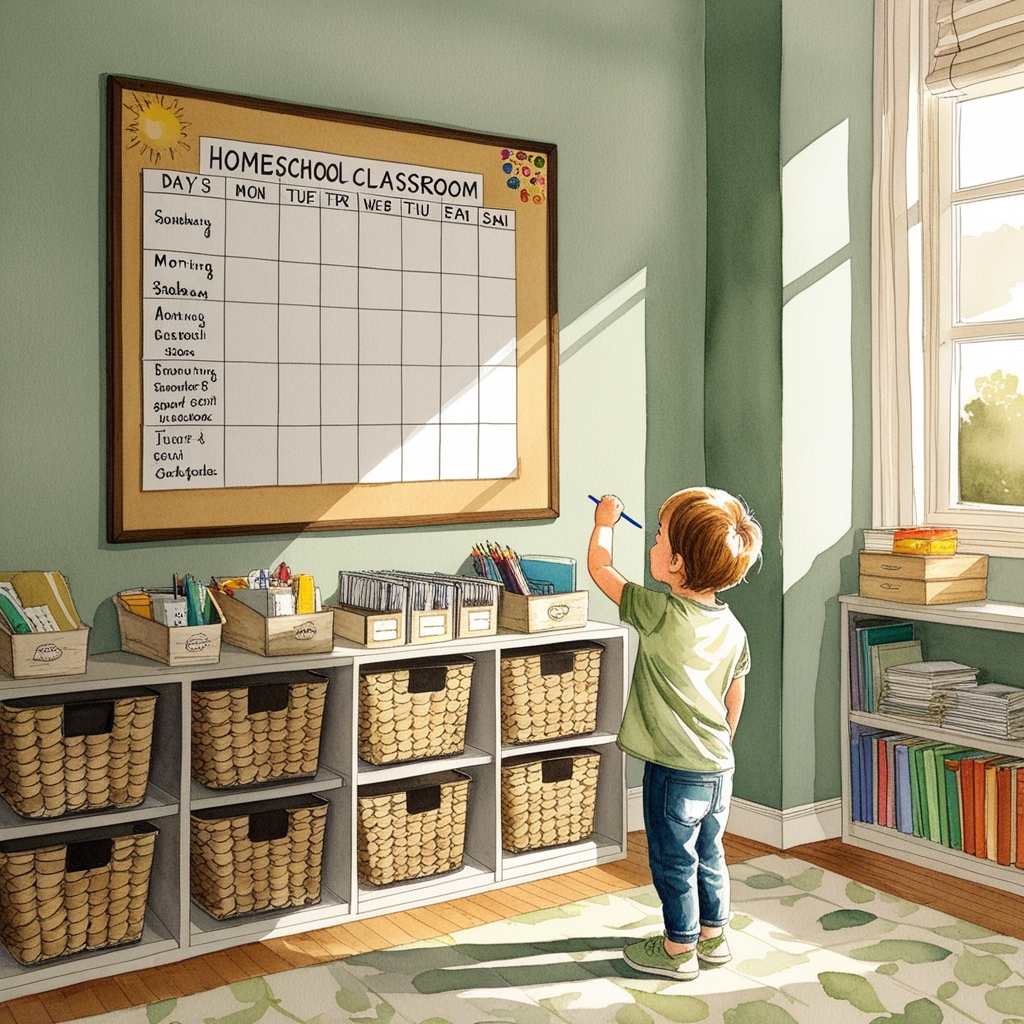
One of the greatest advantages of homeschooling is the opportunity to develop your children’s independence and self-direction skills. Morning routines provide an ideal framework for fostering these crucial abilities in age-appropriate ways.
Age-Appropriate Responsibility Levels
Gradually increasing responsibility levels helps children build confidence and competence without becoming overwhelmed. Start with simple tasks that ensure success, then slowly add complexity as skills develop.
For younger children, independence might mean choosing between two breakfast options or deciding which shirt to wear. Older children can take full responsibility for meal planning, preparation, and cleanup while managing their time effectively.
Visual Aids and Checklists
Visual supports help children of all ages remember routine steps and feel accomplished as they complete tasks. These tools are particularly valuable for children who learn better through visual processing or those who struggle with executive function skills.
Create colorful charts, laminated checklists, or digital reminders that match your child’s learning style and preferences. Many families find success with apps designed for routine management, while others prefer simple paper charts with checkboxes or stickers.
Natural Consequences and Problem-Solving
Allow natural consequences to teach responsibility rather than constantly reminding or rescuing children from their choices. If a child doesn’t prepare their materials the night before, they experience the natural consequence of spending learning time gathering supplies instead of starting lessons immediately.
Use these moments as learning opportunities rather than punishment. Discuss what happened, why it occurred, and how similar situations can be prevented in the future. This approach builds problem-solving skills and internal motivation.
Incorporating Movement and Mindfulness
Physical activity and mindfulness practices in morning routines significantly impact children’s ability to focus, regulate emotions, and engage positively with learning activities throughout the day.
Physical Activity Options
Movement doesn’t require elaborate equipment or extensive time commitments. Simple activities that get blood flowing and energy circulating can make dramatic differences in children’s readiness to learn.
Consider incorporating these movement activities:
- Stretching or yoga sequences
- Dancing to favorite music
- Quick walks around the neighborhood
- Jumping jacks or other calisthenics
- Balance challenges or coordination games
- Outdoor chores like gardening or pet care
Adapt activities to your available space, weather conditions, and children’s interests. Even five minutes of movement can provide significant benefits for attention and mood regulation.
Mindfulness and Reflection Practices
Mindfulness activities help children develop emotional regulation skills, increase self-awareness, and create calm, focused mindsets for learning. These practices are particularly valuable for children who struggle with anxiety, attention challenges, or emotional reactivity.
Simple mindfulness practices include deep breathing exercises, gratitude sharing, brief meditation, or quiet reflection time. Tailor these activities to your family’s beliefs and comfort levels while focusing on developing present-moment awareness and emotional balance.
Combining Movement and Mindfulness
Activities that combine physical movement with mindful awareness provide dual benefits and often appeal to children who struggle with traditional seated meditation or reflection practices. Walking meditation, mindful stretching, or nature observation combine these elements naturally.
For families following our scheduling and planning strategies, incorporating movement and mindfulness into morning routines creates a foundation for the structured learning activities that follow.
Flexible Scheduling Strategies
Successful homeschool morning routine ideas balance structure with flexibility, allowing families to maintain consistency while adapting to changing needs, seasons, and circumstances.
Core vs. Optional Activities
Distinguish between essential routine elements and optional activities that can be modified based on daily circumstances. Core activities might include personal hygiene, breakfast, and material preparation, while optional elements could include extended reading time, creative activities, or outdoor exploration.
This approach allows you to maintain routine benefits even on challenging days while providing opportunities for enrichment when time and energy permit. Children learn to prioritize essential tasks while appreciating additional activities as special opportunities rather than obligations.
Seasonal Adjustments
Adapt your morning routines to accommodate seasonal changes in daylight, weather, and family activities. Summer routines might emphasize outdoor time and nature exploration, while winter routines could focus more on indoor movement and cozy reading activities.
Seasonal adjustments keep routines fresh and engaging while teaching children to adapt to changing circumstances. This flexibility also models real-world problem-solving and adjustment skills that serve them well throughout life.
Special Circumstances Planning
Develop modified routines for special circumstances such as illness, travel, visitors, or family emergencies. Having predetermined adjustments reduces stress during challenging times and helps maintain some structure when normal routines aren’t possible.
These modified routines might be shorter, simpler, or focus on different priorities than your standard morning routine. The key is having a plan in place rather than abandoning structure entirely when circumstances change.
Overcoming Common Morning Challenges
Even well-planned morning routines encounter obstacles. Understanding common challenges and having strategies ready helps families maintain consistency and positive attitudes when difficulties arise.
Resistance to Routine Changes
Children often resist new routines, especially if they’re accustomed to less structure or different expectations. Gradual implementation, clear explanations of benefits, and involving children in routine design can reduce resistance and increase buy-in.
Start with one or two routine elements rather than implementing a complete overhaul immediately. Allow time for adjustment and be patient with the learning process. Most children adapt to new routines within 2-3 weeks with consistent implementation.
Time Management Difficulties
Families frequently struggle with estimating time requirements or managing transitions between routine activities. Track actual time spent on activities for a week to develop realistic expectations and identify areas where efficiency can be improved.
Use timers, visual schedules, and transition warnings to help children understand time concepts and prepare for activity changes. Teaching time awareness is a valuable life skill that extends beyond morning routines.
Sibling Coordination Challenges
Managing morning routines with multiple children of different ages requires careful planning and realistic expectations. Consider staggered wake-up times, age-appropriate responsibilities, and systems that prevent conflicts over shared resources like bathrooms or breakfast preparation areas.
Older children can often help younger siblings with routine tasks, building leadership skills while reducing parental supervision requirements. However, ensure that older children aren’t overburdened with responsibilities that should remain with parents.
Implementation Tips for Success
Successfully implementing new homeschool morning routine ideas requires thoughtful planning, realistic expectations, and consistent follow-through. These practical strategies help families establish routines that stick and provide lasting benefits.
Start Small and Build Gradually
Begin with just one or two routine elements rather than attempting to implement a comprehensive routine immediately. This approach increases success rates and allows families to adjust expectations based on actual experience rather than theoretical planning.
Once initial elements become automatic, gradually add new components. This incremental approach feels less overwhelming and allows each family member to develop confidence and competence progressively.
Involve Children in Planning
Children are more likely to follow routines they help create. Hold family meetings to discuss routine goals, brainstorm activity ideas, and address concerns or preferences. This collaborative approach builds ownership and reduces resistance.
Allow children to make choices within appropriate parameters. For example, they might choose between two breakfast options, select which chores to complete, or decide the order of routine activities within reasonable guidelines.
Prepare the Night Before
Evening preparation significantly reduces morning stress and decision-making requirements. Lay out clothes, prepare breakfast components, gather learning materials, and complete other preparatory tasks the evening before.
This strategy is particularly valuable for families with younger children or those who struggle with morning energy levels. The investment of time the evening before pays dividends in smoother, more peaceful mornings.
Monitor and Adjust Regularly
Regular evaluation helps identify what’s working well and what needs modification. Schedule monthly family discussions about routine effectiveness and make adjustments based on changing needs, developmental growth, or seasonal factors.
Be willing to modify or abandon elements that aren’t serving your family well. Flexibility and responsiveness to actual needs are more important than rigid adherence to original plans.
For additional support with routine planning and implementation, explore our lesson plan resources that include morning routine templates and planning tools.
Seasonal Adaptations and Variations
Adapting morning routines to seasonal changes keeps them fresh, relevant, and aligned with natural rhythms while maintaining the structure and consistency that make routines beneficial.
Spring and Summer Adaptations
Warmer months offer opportunities to incorporate more outdoor activities, nature exploration, and extended physical movement into morning routines. Consider garden care, nature walks, outdoor breakfast options, or sunrise observation activities.
Longer daylight hours may allow for earlier wake-up times or extended morning routines that include special activities not feasible during shorter winter days. Use this natural energy boost to establish positive habits that can be maintained year-round.
Fall and Winter Modifications
Shorter days and colder weather call for routines that emphasize warmth, comfort, and indoor activities. Focus on cozy reading time, indoor movement options, warm breakfast preparation, and activities that build anticipation for the learning day ahead.
Winter routines might include special lighting to combat seasonal mood changes, warm-up exercises to increase circulation, or seasonal learning activities that connect to current weather and holiday patterns.
Holiday and Special Event Considerations
Develop modified routines for holidays, family celebrations, and special events that maintain some structure while accommodating different schedules and activities. These adaptations teach children flexibility while preserving the benefits of routine structure.
Special event routines might be shorter, focus on different priorities, or include unique elements that acknowledge the special nature of the day while maintaining family values and expectations.
Frequently Asked Questions
How long should a homeschool morning routine take?
Most effective homeschool morning routines take 30-90 minutes depending on children’s ages and family needs. Younger children typically need 30-45 minutes, while teenagers might require 60-90 minutes for more complex routines including exercise, meal preparation, and academic planning.
What if my child resists following the morning routine?
Resistance is normal when implementing new routines. Start with fewer activities, involve your child in planning the routine, and focus on natural consequences rather than punishment. Most children adapt within 2-3 weeks with consistent, patient implementation.
Should homeschool morning routines be the same every day?
Core elements should remain consistent, but routines can include optional activities that vary by day or season. This balance provides structure while preventing boredom and allowing for flexibility when circumstances change.
How do I manage morning routines with multiple children of different ages?
Consider staggered wake-up times, age-appropriate responsibilities, and systems that prevent resource conflicts. Older children can help younger siblings while developing leadership skills, but avoid overburdening them with adult responsibilities.
What are the most important elements to include in a morning routine?
Essential elements include consistent wake-up times, personal hygiene tasks, nutritious breakfast, and preparation for the day’s learning activities. Additional elements like movement, mindfulness, and chores can be added based on family priorities and available time.
How do I maintain morning routines during difficult seasons or circumstances?
Develop simplified backup routines for challenging times that maintain core elements while reducing optional activities. Having predetermined modifications reduces stress and helps maintain structure when normal routines aren’t possible.
When should I modify or change our morning routine?
Evaluate routines monthly and make changes when they no longer serve your family’s needs, when children outgrow current activities, or when seasonal changes require different approaches. Flexibility and responsiveness to actual needs are more important than rigid consistency.
Planners Homeschool Moms Swear By
As an Amazon Associate, HomeschoolingExperts earns from qualifying purchases. Some links in this article are affiliate links, meaning we may earn a small commission at no extra cost to you.
Conclusion
Implementing thoughtful homeschool morning routine ideas creates a foundation for successful learning experiences while developing crucial life skills in your children. The key to success lies in balancing structure with flexibility, starting small and building gradually, and adapting routines to meet your family’s unique needs and circumstances.
Remember that effective morning routines take time to establish and will evolve as your children grow and your family’s needs change. Focus on consistency rather than perfection, and celebrate small victories as your family develops habits that support both academic success and personal growth.
The investment of time and energy in creating structured morning routines pays dividends in reduced stress, improved focus, and stronger family relationships. As you implement these ideas, remain patient with the process and flexible in your approach while maintaining the consistency that makes routines truly beneficial.
Start with one or two elements that feel manageable for your family, and gradually build the comprehensive routine that will transform your homeschooling experience. Your future self will thank you for the peaceful, productive mornings that set the stage for successful learning days.
Ready to begin implementing these strategies? Visit our contact page to connect with our team for personalized guidance, or explore our about section to learn more about our commitment to supporting homeschooling families.
Related Resources
Explore these additional resources to support your homeschooling journey:
- Getting Started with Homeschooling – Essential guidance for new homeschooling families
- Activities and Ideas – Creative learning activities to enhance your homeschool experience
- Curriculum and Methods – Comprehensive guides to choosing and implementing effective educational approaches

Loved this post? Grab the free resource above.
Plan your whole school year on one page — weekly, monthly, and yearly templates included.