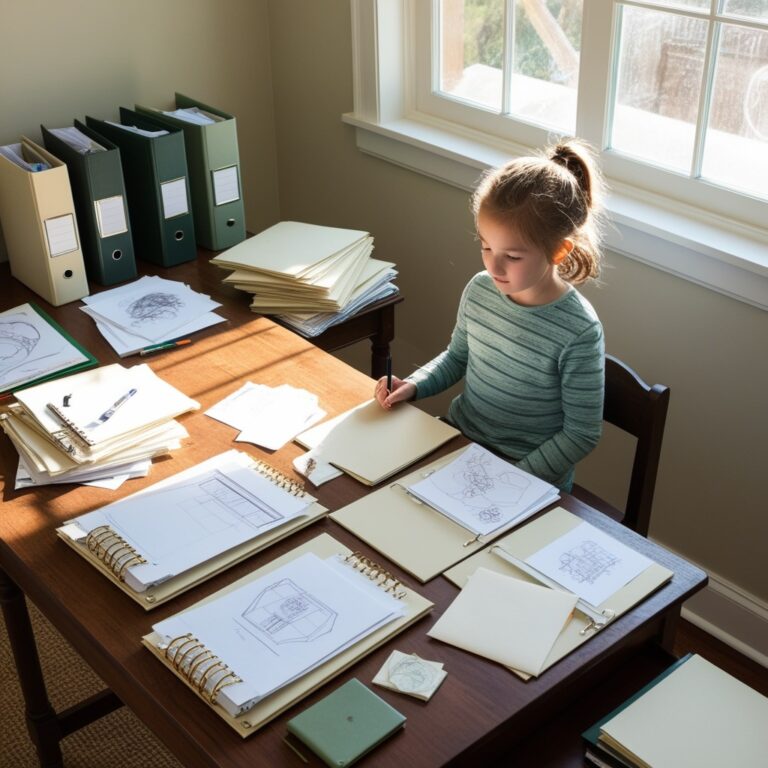
Free Printable Homeschool Year Planner
Plan your whole school year on one page — weekly, monthly, and yearly templates included.
Homeschool record keeping is one of the most overlooked yet essential parts of teaching your children at home. Whether you are new to homeschooling or have been at it for years, keeping accurate, organized records protects your family legally, simplifies transcripts and college applications, and gives you a clear picture of your child’s academic growth. In this guide, we will walk through exactly what to track, how to organize it, and which tools make homeschool record keeping simple rather than stressful.
Many parents assume record keeping means stacks of paperwork and complicated spreadsheets, but it does not have to be that way. With the right system in place, you can spend just a few minutes a week maintaining records that will serve your family for years, from elementary school through high school graduation.
This comprehensive guide covers everything from state requirements to digital tools, portfolio building, and transcript preparation, so you can homeschool with confidence and clarity.
Key Takeaways
- Homeschool record keeping requirements vary widely by state, so check your local laws first.
- Track attendance, curriculum, grades, and work samples consistently throughout the year.
- Digital tools and apps can save hours compared to paper-only systems.
- Building a portfolio year by year makes high school transcripts much easier to compile.
- A little organization now prevents major headaches during college applications or state audits.
Why Homeschool Record Keeping Matters
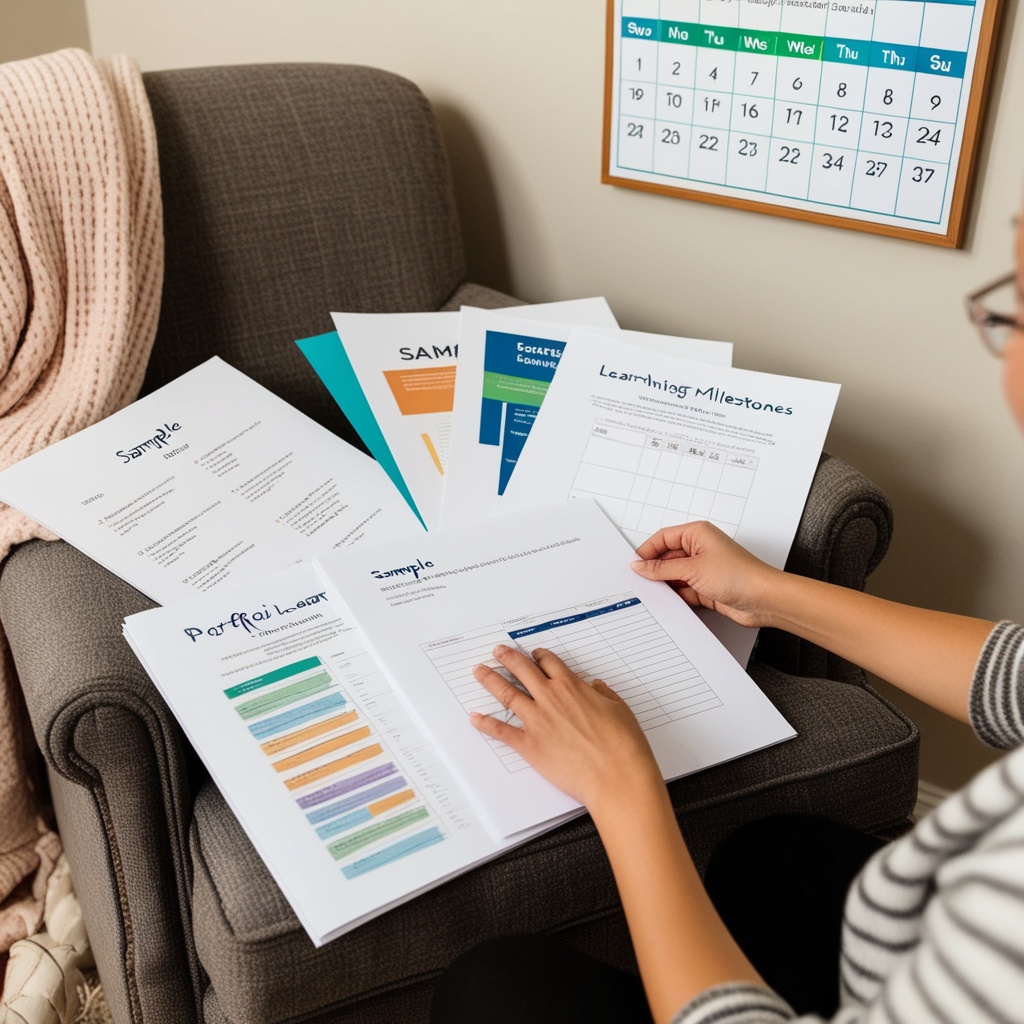
Good homeschool record keeping is more than a bureaucratic chore. It is the backbone of a legally compliant, academically sound homeschool program.
Records prove that your child is receiving an education that meets state guidelines. They also create a paper trail you can reference for college admissions, scholarship applications, or transferring into a traditional school later.
Legal Protection
Many states require homeschool families to maintain attendance logs, curriculum records, and sometimes standardized test results. According to the Home School Legal Defense Association (HSLDA), requirements range from no notice at all in some states to detailed portfolio reviews in others.
Keeping thorough records ensures you are prepared if your state requests documentation or if you are ever questioned by a school district.
Academic Tracking and Motivation
Records also help you and your child see progress over time. A well-kept portfolio can be incredibly motivating for kids who want to see how far they have come.
For parents, tracking grades and completed lessons helps identify learning gaps early, before they become bigger problems.
College and Career Preparation
Colleges increasingly accept homeschool transcripts, but they want to see organized, credible documentation. Detailed records make building a transcript and resume far less stressful when the time comes.
Understanding Your State’s Homeschool Record Keeping Requirements
Homeschool laws vary dramatically from state to state, so understanding your specific obligations is the first step in effective homeschool record keeping.
Types of State Requirements
- Low regulation states that require little to no documentation
- Moderate regulation states that require attendance and subject records
- High regulation states that require standardized testing, portfolio reviews, or teacher notifications
You can review a detailed breakdown of state-by-state homeschool laws through the HSLDA legal resource center, which is updated regularly and widely trusted by homeschool families.
What to Check in Your State
- Minimum required instructional days or hours
- Subjects that must be taught each year
- Whether standardized testing is mandatory
- Notification or filing deadlines with your local school district
Once you know your state’s baseline requirements, you can build a record keeping system that exceeds them, giving you extra peace of mind.
Essential Records Every Homeschool Family Should Keep
Regardless of your state’s specific mandates, certain homeschool records are universally valuable. Think of these as the foundation of your documentation system.
Attendance and Instructional Hours
Track the days and hours your child spends learning, even if your state does not require it. This becomes especially important if you ever need to demonstrate compliance or calculate credit hours for high school.
Curriculum and Course Descriptions
Keep a record of which curriculum, textbooks, and resources you used for each subject and grade level. Browse our curriculum methods resources for ideas on structuring your course descriptions.
Grades and Assessments
Maintain a gradebook, even a simple one, that records quiz scores, test results, and project grades. This becomes invaluable when calculating GPA for high school transcripts.
Work Samples and Portfolios
Save samples of writing, art, science projects, and other assignments throughout the year. A rotating portfolio provides tangible proof of learning and growth.
Standardized Test Results
If your state requires testing, or if you choose to test voluntarily, keep copies of all results. According to the National Home Education Research Institute, homeschooled students typically score 15 to 30 percentile points above public school students on standardized achievement tests, making these records a great confidence booster too.
Extracurricular Activities and Community Service
Document clubs, sports, volunteer work, and other activities. These details add depth to high school transcripts and college applications.
Choosing a Homeschool Record Keeping System
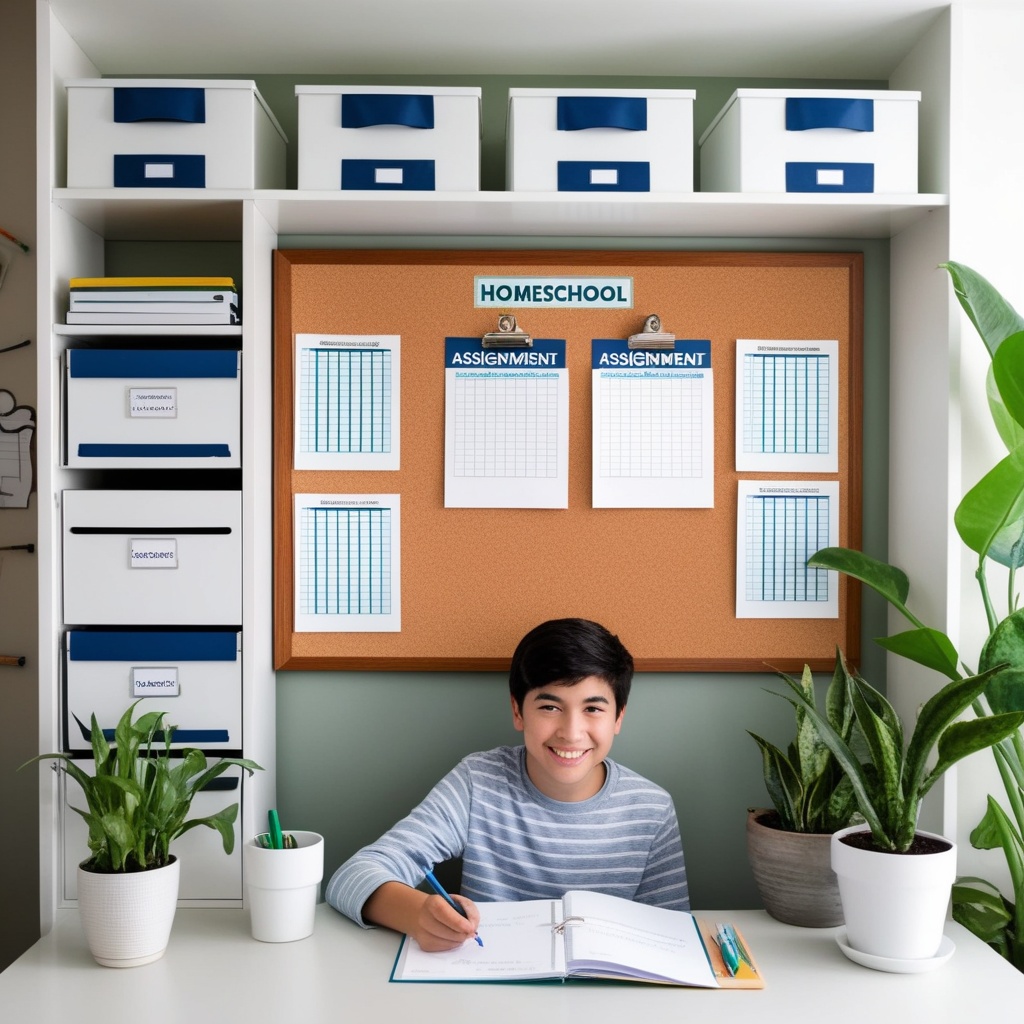
There is no single correct way to keep homeschool records. The best system is the one you will actually maintain consistently.
Paper-Based Systems
Binders with tabs for each subject, printed logs, and physical portfolios work well for families who prefer tactile organization. This method requires no technology but can become bulky over time.
Spreadsheet Systems
A simple spreadsheet can track attendance, grades, and completed lessons in one place. This is a budget-friendly option that offers more flexibility than paper alone.
Hybrid Systems
Many families combine digital tracking for grades and attendance with a physical portfolio binder for work samples. This hybrid approach often provides the best of both worlds.
Choosing What Fits Your Family
- Consider how many children you are homeschooling simultaneously
- Think about how much time you can realistically dedicate weekly
- Factor in your state’s specific documentation requirements
- Choose a method that scales as your children move into higher grades
If you are just getting started, our getting started section offers additional guidance on building sustainable homeschool systems from day one.
Digital Tools and Apps for Homeschool Record Keeping
Technology has made homeschool record keeping significantly easier over the past decade. Digital tools can automate attendance tracking, grade calculations, and even transcript generation.
Popular Homeschool Record Keeping Apps
- Homeschool planning apps with built-in gradebooks and attendance calendars
- Cloud storage solutions for scanning and saving work samples
- Transcript generator tools designed specifically for homeschool families
- Simple spreadsheet templates for families who prefer a DIY approach
Benefits of Going Digital
Digital record keeping reduces paper clutter, allows for easy backups, and makes sharing records with co-ops, tutors, or colleges much simpler. Many platforms also generate report cards and transcripts automatically, saving hours of manual work.
Backing Up Your Records
Whatever system you use, back up your files regularly. Cloud storage services provide an extra layer of protection against lost paperwork, computer crashes, or accidental deletion.
For families using structured lesson plans, our lesson plan shop includes printable planning pages that pair well with digital tracking tools.
Building a Homeschool Portfolio That Works
A homeschool portfolio is a curated collection of your child’s work and achievements throughout the year. It serves as tangible evidence of learning and can be invaluable for state reviews, transitions to traditional schools, or college applications.
What to Include in a Portfolio
- Writing samples from the beginning, middle, and end of the year
- Math worksheets or tests showing skill progression
- Photos of hands-on projects, science experiments, or art
- Reading lists with book titles and completion dates
- Field trip logs and educational outings
How Often to Update It
Set a recurring reminder to add to your portfolio monthly rather than waiting until the end of the year. This prevents the overwhelming task of trying to reconstruct a full year of work in a single weekend.
Organizing by Subject or Timeline
Some families organize portfolios chronologically, while others prefer subject-based sections. Choose whichever method makes it easiest for you to locate specific work later.
For creative ways to document hands-on learning, check out our activities and ideas archive for inspiration.
Record Keeping for High School and Transcripts
Record keeping becomes especially critical once your child enters high school, since transcripts and course records directly affect college admissions and scholarship opportunities.
Tracking Credits and GPA
Most high school courses are worth one credit for a full year of study, or half a credit for a semester course. Keep detailed records of hours spent per subject to justify credit awards.
Calculate GPA using a standard 4.0 scale, and keep grade documentation for every course, every year.
Creating a Transcript
A homeschool transcript should include:
- Course titles and descriptions
- Credits earned per course
- Grades and GPA
- Standardized test scores, if applicable
- Extracurricular activities and volunteer hours
Preparing for College Applications
Many colleges now have specific homeschool admissions policies. The U.S. Department of Education and individual university admissions offices can provide guidance on what documentation they require from homeschool applicants.
Starting detailed record keeping early, even in middle school, makes the high school transcript process far less overwhelming. Our grade level guides can help you plan ahead for each stage of your child’s education.
Common Homeschool Record Keeping Mistakes to Avoid
Even experienced homeschool parents can fall into a few common traps when it comes to record keeping. Avoiding these mistakes will save you time and stress down the road.
Waiting Too Long to Start
Trying to recreate an entire semester of records from memory is nearly impossible. Start tracking from day one, even if your system is imperfect.
Not Backing Up Digital Files
Losing a year of records to a computer crash is devastating and avoidable. Always maintain at least one backup, ideally in the cloud.
Overcomplicating the System
A complicated system that takes hours to maintain each week is a system that will eventually get abandoned. Simplicity leads to consistency.
Ignoring State Requirements
Some parents assume record keeping is optional everywhere. Always verify your specific state’s homeschool laws to avoid compliance issues.
Forgetting Non-Academic Records
Extracurriculars, volunteer work, and life skills are often overlooked but add significant value to a homeschool transcript or portfolio.
Weekly and Monthly Record Keeping Habits
Consistency is the secret to stress-free homeschool record keeping. Building small habits into your routine prevents last-minute scrambling.
Weekly Habits
- Log attendance and instructional hours at the end of each day or week
- Record completed lessons and assignments in your planner or app
- File any graded work or tests into a designated folder
Monthly Habits
- Add new work samples to your portfolio
- Review progress toward yearly learning goals
- Back up digital records to cloud storage
Yearly Habits
- Compile final grades and calculate GPA, if applicable
- Update your child’s overall academic transcript
- Review your state’s requirements to ensure ongoing compliance
Pairing these habits with a strong schedule can make the entire process feel effortless. Explore our scheduling and planning resources for templates and routines that support consistent record keeping.
Frequently Asked Questions
What records are legally required for homeschooling?
Legal requirements vary by state, but commonly include attendance logs, subject lists, and sometimes standardized test scores. Check your state’s specific homeschool laws through resources like HSLDA to confirm exact requirements.
How long should I keep homeschool records?
Most experts recommend keeping records for at least the current school year plus the previous two years, though many families keep everything through high school graduation. Transcripts and diplomas should be kept permanently, since colleges or employers may request them years later.
Do I need to keep records if my state does not require them?
Yes, keeping records is still highly recommended even if your state has minimal requirements. Good documentation supports college applications, scholarship opportunities, and gives you an accurate picture of your child’s academic progress.
What is the easiest way to keep homeschool records?
A simple spreadsheet combined with a physical folder for work samples is often the easiest starting point. Many families later transition to dedicated homeschool record keeping apps as their needs grow.
How do I create a homeschool transcript?
A homeschool transcript should list course titles, credits earned, grades, GPA, and any standardized test scores. Many free transcript templates are available online specifically designed for homeschool families entering the high school years.
Can homeschool grades and records affect college admissions?
Yes, colleges review homeschool transcripts closely, so accurate and well-organized records can strengthen an application. Detailed course descriptions and standardized test scores help admissions officers evaluate homeschool applicants fairly.
What is the best way to track attendance for homeschooling?
A simple calendar or spreadsheet where you mark instructional days and hours is usually sufficient. Many states require a minimum number of instructional days or hours per year, so tracking this consistently is essential.
📚 Recommended Homeschool Resources
As an Amazon Associate, I earn from qualifying purchases. Some links in this article are affiliate links, meaning I may earn a small commission at no extra cost to you.
Conclusion
Effective homeschool record keeping does not require perfection, only consistency. By tracking attendance, grades, curriculum, and work samples throughout the year, you build a reliable foundation that protects your family legally and supports your child academically.
Whether you choose a simple paper binder, a digital app, or a hybrid system, the key is finding a method you can maintain week after week. Start small, stay consistent, and your record keeping system will grow naturally alongside your homeschool journey.
If you would like personalized guidance on organizing your homeschool records or building a curriculum plan that fits your family, reach out through our contact page. You can also learn more about our mission and experience on our about page.
Related Resources

Loved this post? Grab the free resource above.
Plan your whole school year on one page — weekly, monthly, and yearly templates included.