
Free Curriculum Comparison Guide
Compare Charlotte Mason, Classical, Montessori, Waldorf, and more in one printable side-by-side guide.
Eclectic homeschool curriculum ideas offer families the ultimate flexibility to create a personalized education that perfectly fits their child’s unique learning style, interests, and needs. Unlike traditional approaches that follow a single educational philosophy, eclectic homeschooling allows parents to cherry-pick the best resources, methods, and materials from various curricula to design a truly customized learning experience.
This comprehensive guide explores proven strategies for building an effective eclectic homeschool curriculum, from selecting core subjects and supplementary resources to balancing structure with flexibility. Whether you’re new to homeschooling or looking to transition from a more rigid approach, you’ll discover practical tips, real-world examples, and expert insights to help you create an engaging educational journey that evolves with your child’s growth and changing interests.
Key Takeaways
- Eclectic homeschooling combines multiple educational approaches and resources for maximum customization
- Start with core subjects and gradually add supplementary materials based on your child’s interests
- Balance structure with flexibility to accommodate different learning styles and life circumstances
- Regular assessment and adjustment ensure your curriculum remains effective and engaging
- Building a support network and utilizing quality resources enhances your eclectic approach
Understanding Eclectic Homeschooling
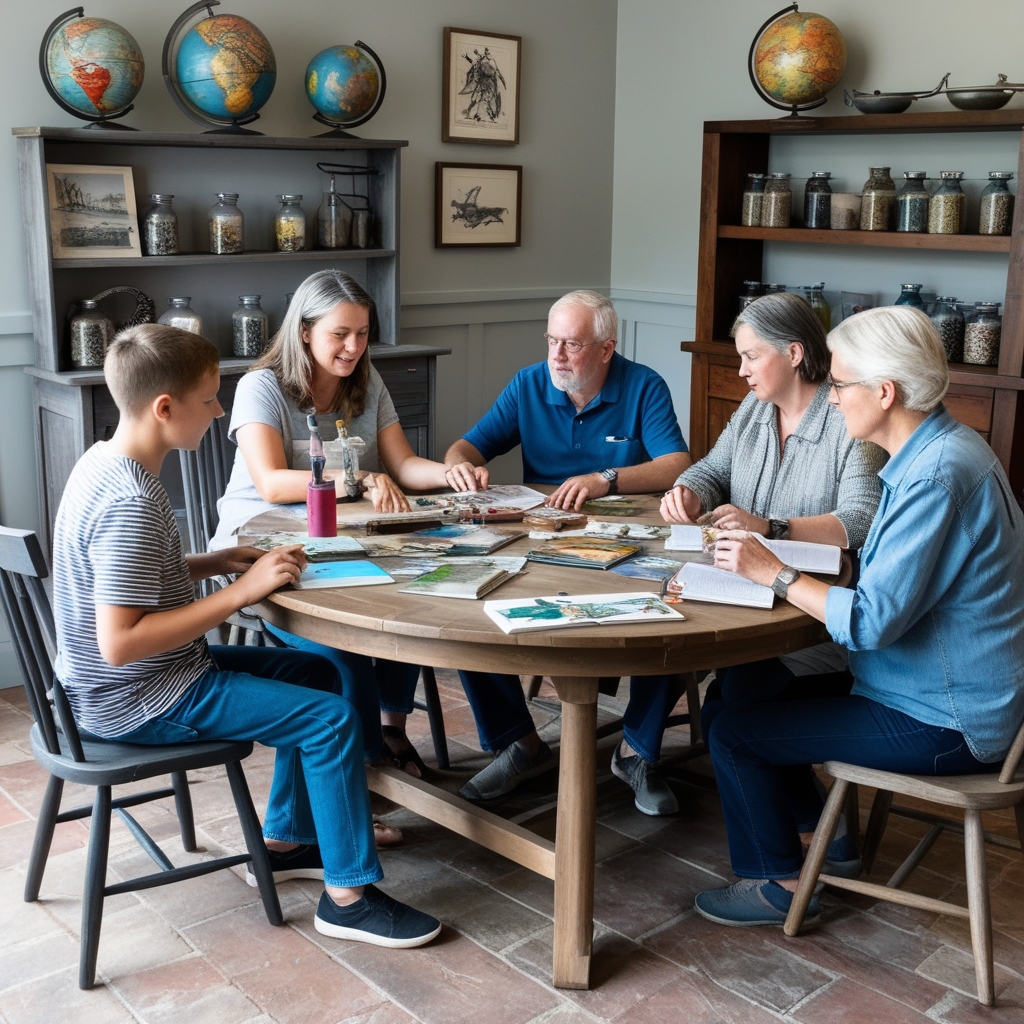
Eclectic homeschooling represents one of the most popular and flexible approaches to home education today. According to the National Home Education Research Institute, approximately 65% of homeschooling families use some form of eclectic approach, combining elements from various educational philosophies and curricula.
What Makes Eclectic Homeschooling Unique
Unlike traditional educational methods that follow a single philosophy, eclectic homeschooling embraces diversity in learning approaches. This method allows families to select the most effective elements from different educational styles, including Charlotte Mason, Montessori, classical education, unit studies, and modern textbook-based learning.
The beauty of this approach lies in its adaptability. Parents can adjust their curriculum choices based on their child’s developmental stage, learning preferences, and family circumstances without being locked into a single educational framework.
Benefits of an Eclectic Approach
Research from the U.S. Department of Education shows that students who experience varied teaching methods often demonstrate improved engagement and retention. Key benefits include:
- Customization for individual learning styles and paces
- Flexibility to incorporate family values and interests
- Cost-effectiveness by selecting only necessary resources
- Ability to pivot quickly when something isn’t working
- Enhanced creativity and critical thinking skills
Building Your Foundation with Core Subjects
Creating effective eclectic homeschool curriculum ideas begins with establishing a solid foundation in core academic subjects. This foundation ensures your child receives comprehensive education while maintaining the flexibility to explore diverse teaching methods.
Essential Core Subjects to Address
Every well-rounded eclectic curriculum should include these fundamental areas:
- Language Arts: Reading, writing, grammar, spelling, and literature
- Mathematics: Number sense, operations, problem-solving, and practical applications
- Science: Life science, physical science, earth science, and scientific method
- Social Studies: History, geography, civics, and cultural studies
- Arts: Visual arts, music, drama, and creative expression
- Physical Education: Fitness, sports, outdoor activities, and health education
Choosing Primary Resources for Each Subject
Start by selecting one primary resource or curriculum for each core subject. This provides structure and ensures comprehensive coverage of essential concepts. Popular combinations include:
- Traditional textbooks for mathematics with living books for history
- Online programs for language arts with hands-on experiments for science
- Unit studies for social studies with structured workbooks for grammar
The key is finding resources that align with your child’s learning style while covering required standards for your state or educational goals.
Supplementing with Additional Materials
Once you have primary resources established, enhance each subject with supplementary materials. These might include educational games, documentaries, field trips, online courses, or hands-on activities that reinforce and expand upon core concepts.
For comprehensive lesson planning resources and ready-made materials, consider exploring professionally designed curricula that can serve as either primary or supplementary components of your eclectic approach.
Selecting and Combining Curriculum Resources
The success of your eclectic homeschool curriculum depends largely on thoughtful selection and strategic combination of educational resources. This process requires careful consideration of your child’s needs, your family’s lifestyle, and your educational goals.
Types of Curriculum Resources to Consider
Modern homeschooling families have access to an unprecedented variety of educational materials:
- Traditional Textbooks: Structured, sequential learning with clear objectives
- Living Books: Engaging literature that brings subjects to life
- Online Courses: Interactive digital learning with multimedia elements
- Unit Studies: Integrated approach connecting multiple subjects through themes
- Hands-on Kits: Manipulatives and experiments for kinesthetic learners
- Educational Games: Fun, engaging ways to reinforce concepts
Evaluation Criteria for Resource Selection
When evaluating potential curriculum components, consider these essential factors:
- Alignment with your child’s learning style and interests
- Age-appropriateness and skill level matching
- Time requirements and scheduling flexibility
- Cost and overall value for money
- Parent involvement and preparation time needed
- Quality of content and educational effectiveness
Strategies for Successful Resource Combination
Combining different curriculum types requires strategic planning to avoid overwhelm and ensure cohesive learning. Start small with 2-3 different approaches and gradually expand as you gain confidence and experience.
Consider creating subject-specific combinations, such as using a traditional math curriculum alongside hands-on science experiments and literature-based history studies. This approach allows you to match the most effective teaching method to each subject area.
Incorporating Different Learning Styles and Methods

One of the greatest advantages of eclectic homeschool curriculum ideas is the ability to accommodate various learning styles within a single educational framework. Understanding and incorporating different learning preferences ensures every child can access and engage with educational content effectively.
Understanding Primary Learning Styles
Educational research identifies several primary learning styles that influence how children process and retain information:
- Visual Learners: Learn best through images, charts, diagrams, and written information
- Auditory Learners: Prefer listening, discussion, music, and verbal instruction
- Kinesthetic Learners: Need movement, hands-on activities, and physical engagement
- Reading/Writing Learners: Excel with text-based learning and written exercises
Adapting Curriculum for Different Styles
An effective eclectic approach incorporates elements that appeal to multiple learning styles within each subject area. For example, when teaching about ancient civilizations:
- Visual learners benefit from maps, timelines, and historical artwork
- Auditory learners enjoy historical fiction audiobooks and documentary narration
- Kinesthetic learners engage through building models and reenacting historical events
- Reading/writing learners excel with research projects and creative writing assignments
Multi-Sensory Learning Approaches
The most effective eclectic curricula incorporate multi-sensory learning approaches that engage multiple learning styles simultaneously. This might include science experiments that combine visual observation, hands-on manipulation, verbal discussion, and written recording of results.
Consider rotating between different teaching methods throughout the week or incorporating multiple approaches within single lessons to ensure all children in your family can access the material effectively.
Creating a Flexible Yet Structured Schedule
Balancing flexibility with structure represents one of the key challenges in implementing eclectic homeschool curriculum ideas successfully. The goal is creating enough routine to ensure consistent progress while maintaining the adaptability that makes eclectic education so appealing.
Establishing Core Schedule Elements
Begin by identifying non-negotiable elements that provide stability and consistency:
- Daily start and end times for formal learning
- Regular meal and break schedules
- Consistent time blocks for core subjects
- Weekly planning and review sessions
- Monthly assessment and adjustment periods
Building in Flexibility Points
Within your structured framework, identify specific areas where flexibility can enhance learning:
- Subject rotation based on child’s daily energy and interest levels
- Extended time for particularly engaging topics or projects
- Seasonal adjustments for outdoor learning opportunities
- Family travel and real-world learning experiences
- Child-led exploration time for personal interests
Sample Eclectic Schedule Framework
A typical eclectic homeschool day might include:
- Morning: Core academics (math, language arts) when focus is highest
- Mid-Morning: Science or social studies with hands-on activities
- Afternoon: Arts, physical education, or project-based learning
- Evening: Family reading time or educational documentaries
For detailed scheduling strategies and printable planning resources, visit our scheduling and planning section for expert guidance and practical tools.
Assessment and Tracking Progress
Effective assessment in an eclectic homeschool environment requires creative approaches that accommodate diverse learning methods while ensuring educational goals are met. Unlike traditional schooling, eclectic assessment focuses on individual growth and mastery rather than standardized comparisons.
Portfolio-Based Assessment Methods
Portfolio assessment works particularly well with eclectic curricula because it captures learning across different formats and subjects. Include:
- Work samples from various curriculum sources
- Photos of hands-on projects and experiments
- Audio recordings of reading progress or presentations
- Written reflections on learning experiences
- Documentation of field trips and real-world applications
Ongoing Assessment Strategies
Regular, informal assessment helps you adjust your approach quickly and effectively:
- Daily Observations: Note engagement levels, comprehension, and areas of difficulty
- Weekly Reviews: Discuss what worked well and what needs adjustment
- Monthly Evaluations: Assess progress toward learning goals and standards
- Quarterly Planning: Make significant curriculum adjustments based on accumulated data
Record Keeping for Eclectic Approaches
Maintaining organized records becomes especially important when using multiple curriculum sources. Create systems for tracking:
- Hours spent on each subject area
- Curriculum resources used and their effectiveness
- Skills mastered and areas needing additional work
- Extracurricular activities and their educational value
- State requirements and compliance documentation
Adapting to Changing Needs and Interests
The dynamic nature of eclectic homeschool curriculum ideas means your approach should evolve continuously to meet your child’s changing developmental needs, interests, and learning preferences. This adaptability is one of the method’s greatest strengths.
Recognizing When Changes Are Needed
Several indicators suggest it’s time to adjust your curriculum approach:
- Decreased engagement or motivation in specific subjects
- Consistent struggle despite adequate time and support
- New interests or talents that deserve exploration
- Changes in family circumstances or available time
- Achievement of goals that opens new learning opportunities
Strategies for Smooth Transitions
When making curriculum changes, implement transitions gradually to maintain stability:
- Introduce new resources alongside familiar ones initially
- Involve children in selection decisions when age-appropriate
- Test new approaches on a trial basis before full commitment
- Maintain successful elements while changing problematic ones
- Document what works for future reference and decision-making
Seasonal and Developmental Adjustments
Plan for predictable changes that occur throughout the year and as children mature. Summer might emphasize outdoor learning and hands-on projects, while winter could focus more on indoor academic work and creative arts.
Similarly, developmental changes require curriculum evolution. Elementary students might thrive with unit studies and hands-on activities, while middle schoolers may prefer more independent research projects and specialized courses.
Practical Implementation Tips for Success
Successfully implementing eclectic homeschool curriculum ideas requires practical strategies that help families navigate the complexity of multiple resources while maintaining educational effectiveness and family harmony.
Starting Your Eclectic Journey
For families new to eclectic homeschooling, begin with these foundational steps:
- Start with one primary curriculum and add supplements gradually
- Focus on core subjects first before expanding to electives
- Allow 4-6 weeks to evaluate new resources before making changes
- Connect with other eclectic homeschooling families for support and ideas
- Keep detailed notes about what works and what doesn’t
Organization and Management Systems
Effective organization becomes crucial when managing multiple curriculum sources:
- Physical Organization: Create designated spaces for different curriculum materials
- Digital Organization: Use cloud storage for online resources and digital portfolios
- Time Management: Develop consistent routines for planning and preparation
- Resource Tracking: Maintain lists of effective resources for future reference
Budget-Friendly Eclectic Approaches
Eclectic homeschooling can be cost-effective with strategic planning:
- Utilize free online resources and library materials extensively
- Join curriculum swaps and buy/sell groups in your community
- Purchase used materials and sell them when finished
- Focus spending on core subjects and use free supplements
- Take advantage of free trials and sample materials before purchasing
Explore our comprehensive lesson plan resources for affordable, professionally designed materials that can enhance your eclectic approach without breaking your budget.
Common Challenges and Solutions
While eclectic homeschool curriculum approaches offer tremendous benefits, families often encounter specific challenges that require thoughtful solutions and ongoing adjustments.
Overwhelm from Too Many Choices
The abundance of available resources can lead to decision paralysis and curriculum overwhelm. Combat this by:
- Setting clear criteria for resource selection before shopping
- Limiting yourself to 2-3 options per subject initially
- Seeking recommendations from trusted homeschool communities
- Reading detailed reviews before making purchases
- Starting with free or low-cost options to test effectiveness
Maintaining Consistency Across Subjects
Using different approaches for various subjects can sometimes create inconsistency in expectations and routines. Address this by:
- Establishing consistent daily routines regardless of curriculum type
- Creating unified record-keeping systems across all subjects
- Setting similar behavioral expectations for all learning activities
- Regularly reviewing overall balance and coherence
Ensuring Comprehensive Coverage
Concern about educational gaps represents a common worry for eclectic homeschoolers. Minimize this risk through:
- Regular comparison with state standards or grade-level expectations
- Periodic standardized testing or professional evaluations
- Maintaining detailed records of topics covered
- Networking with other homeschool families for perspective
- Consulting with educational professionals when needed
Managing Time and Energy
Eclectic approaches can require significant parent time for research, planning, and implementation. Manage this through:
- Batch planning sessions to maximize efficiency
- Involving older children in curriculum research and selection
- Building relationships with other homeschool families for resource sharing
- Accepting that perfection isn’t necessary for effective education
- Regularly evaluating time investment versus educational benefit
Frequently Asked Questions
How do I know if eclectic homeschooling is right for my family?
Eclectic homeschooling works well for families who value flexibility, enjoy trying different approaches, and have children with diverse learning styles or interests. If you find yourself drawn to elements from multiple educational philosophies or feel constrained by single-curriculum approaches, eclectic methods might be an excellent fit.
How many different curricula should I use at once?
Start with one primary resource per core subject and add 1-2 supplementary materials gradually. Most successful eclectic families use 2-4 different approaches total, avoiding overwhelming complexity while maintaining beneficial variety. Quality and fit matter more than quantity.
Will using multiple curricula create educational gaps?
Careful planning and regular assessment help prevent gaps. Compare your combined resources against state standards, maintain detailed records of topics covered, and consider periodic standardized testing or professional evaluations to ensure comprehensive coverage.
How do I transition from a traditional curriculum to an eclectic approach?
Transition gradually by keeping your current primary curriculum and adding one new element at a time. Allow 4-6 weeks to evaluate each addition before making further changes. This approach maintains stability while allowing you to discover what works best for your family.
Is eclectic homeschooling more expensive than traditional approaches?
Costs vary depending on your choices, but eclectic approaches can be very budget-friendly. You can select only the resources you need, utilize free materials extensively, and purchase used curricula. Many families find it more cost-effective than comprehensive curriculum packages.
How do I keep records when using multiple curriculum sources?
Create unified record-keeping systems that track hours, topics covered, and resources used across all subjects. Portfolio-based documentation works well, including work samples, photos of projects, and notes about learning experiences from all curriculum sources.
Can I use eclectic methods for high school students?
Absolutely! Eclectic approaches work well for high school, allowing students to take online courses for some subjects, use textbooks for others, and pursue independent studies in areas of interest. This flexibility can better prepare students for college-level learning independence.
Unschooling & Project-Based Picks
As an Amazon Associate, HomeschoolingExperts earns from qualifying purchases. Some links in this article are affiliate links, meaning we may earn a small commission at no extra cost to you.
Conclusion
Eclectic homeschool curriculum ideas offer families an incredibly powerful approach to creating personalized, engaging education that truly meets each child’s unique needs and interests. By thoughtfully combining the best elements from various educational philosophies and resources, you can design a learning experience that evolves with your child’s growth and changing circumstances.
Remember that successful eclectic homeschooling is a journey, not a destination. Start with solid foundations in core subjects, gradually incorporate diverse teaching methods and resources, and remain flexible as you discover what works best for your family. The key is maintaining balance between structure and flexibility while keeping your child’s individual learning style and interests at the center of all decisions.
Whether you’re just beginning your homeschool journey or looking to enhance your current approach, the eclectic method provides the freedom to create truly customized education that prepares your children not just academically, but for lifelong learning and success. Trust the process, embrace the flexibility, and enjoy the unique educational adventure that eclectic homeschooling provides.
Ready to begin implementing these strategies? Start by evaluating your current approach and identifying one area where you’d like to add variety or better meet your child’s needs. Small, thoughtful changes often lead to the most significant improvements in educational effectiveness and family satisfaction.
Related Resources
For additional support in your eclectic homeschooling journey, explore these valuable resources:
- Curriculum Methods and Approaches – Detailed guides to various educational philosophies and how to combine them effectively
- Getting Started with Homeschooling – Essential information for families new to home education
- About HomeschoolingExperts.org – Learn more about our mission to support homeschooling families with expert guidance and practical resources

Loved this post? Grab the free resource above.
Compare Charlotte Mason, Classical, Montessori, Waldorf, and more in one printable side-by-side guide.