
Free Printable Homeschool Year Planner
Plan your whole school year on one page — weekly, monthly, and yearly templates included.
A homeschool attendance tracker printable is an essential tool that helps homeschooling families maintain accurate records of their children’s educational attendance while meeting state requirements and staying organized. These customizable tracking sheets provide a simple, effective way to document school days, holidays, and educational activities throughout the academic year.
Keeping detailed attendance records is not just about compliance—it’s about creating a comprehensive picture of your child’s educational journey. Whether you’re required by your state to maintain attendance records or simply want to stay organized, having the right tracking system can make all the difference in your homeschooling success.
In this comprehensive guide, we’ll explore everything you need to know about homeschool attendance tracking, from understanding legal requirements to choosing the perfect printable tracker for your family’s unique needs. You’ll discover practical tips, customizable options, and expert strategies to streamline your record-keeping process.
Key Takeaways
- Homeschool attendance trackers help families meet state requirements and maintain organized records
- Printable trackers offer flexibility, customization, and cost-effective record-keeping solutions
- Different tracking formats work better for different homeschooling styles and family preferences
- Consistent daily tracking is more effective than trying to reconstruct records later
- Digital and printable options can be combined for comprehensive record-keeping
Understanding Homeschool Attendance Requirements
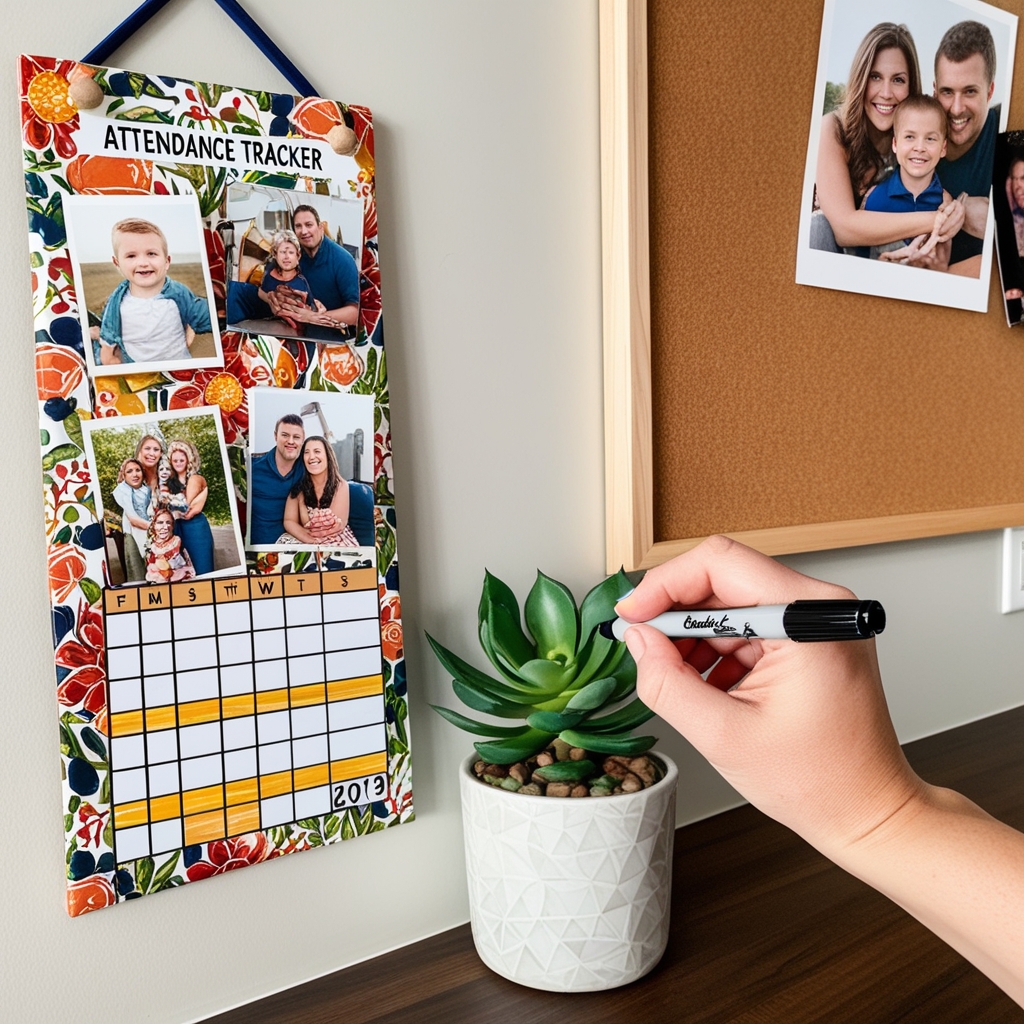
Before selecting a homeschool attendance tracker printable, it’s crucial to understand your state’s specific requirements for attendance record-keeping. Each state has different regulations regarding homeschool documentation, and compliance is essential for maintaining your legal right to homeschool.
State-by-State Variations
According to the Home School Legal Defense Association, homeschool regulations vary significantly across states. Some states require detailed daily attendance records, while others have minimal documentation requirements.
High-regulation states typically require:
- Daily attendance records showing 180+ school days
- Detailed subject-by-subject tracking
- Regular reporting to local school districts
- Standardized testing documentation
Moderate-regulation states often require:
- Basic attendance records
- Annual assessments or testing
- Curriculum documentation
- Teacher qualification records
Low-regulation states may only require:
- Basic notification of intent to homeschool
- Minimal or no attendance tracking
- Age-appropriate instruction documentation
Federal Considerations
While homeschool regulation primarily occurs at the state level, federal programs may have attendance requirements. Families using federal education benefits, military families, or those planning college applications should maintain comprehensive attendance records regardless of state requirements.
Documentation Best Practices
Even in low-regulation states, maintaining detailed attendance records serves multiple purposes beyond legal compliance. These records can be valuable for:
- College admissions applications
- Scholarship opportunities
- Military academy applications
- Transcript creation
- Insurance documentation
Benefits of Using Printable Attendance Trackers
Printable attendance trackers offer unique advantages that make them an excellent choice for many homeschooling families. Unlike digital solutions, printable trackers provide tangible, customizable record-keeping tools that can be tailored to your specific needs.
Cost-Effectiveness and Accessibility
One of the primary benefits of printable trackers is their affordability. Once you have a quality template, you can print unlimited copies throughout the school year without ongoing subscription fees or software costs.
Printable trackers also eliminate technology barriers. Families without reliable internet access, those preferring paper-based systems, or parents who want to involve children in the tracking process can benefit from the simplicity of printed forms.
Customization Flexibility
Unlike rigid digital platforms, printable trackers can be easily modified to match your family’s unique homeschooling approach. You can adjust layouts, add specific subjects, include extra tracking categories, or modify the design to accommodate multiple children.
This flexibility is particularly valuable for families using eclectic homeschooling methods, unit studies, or unconventional scheduling approaches that don’t fit standard digital templates.
Physical Record Keeping
Many states and institutions prefer physical documentation for official purposes. Printable trackers create tangible records that can be easily filed, copied, and presented when needed for compliance reviews or college applications.
Physical records also provide backup security. While digital files can be corrupted or lost due to technical issues, properly stored paper records remain accessible regardless of technology failures.
Types of Homeschool Attendance Tracker Printables
Understanding the different types of homeschool attendance tracker printables available helps you choose the format that best matches your family’s needs and homeschooling style. Each format offers distinct advantages for different organizational preferences.
Monthly Calendar Trackers
Monthly calendar-style trackers display an entire month on a single page, with each day represented by a box or space for marking attendance. This format provides an excellent visual overview of your homeschool schedule and makes it easy to spot patterns or gaps in attendance.
Monthly trackers work well for families who:
- Prefer visual scheduling methods
- Follow traditional school calendars
- Need to coordinate with outside activities
- Want to track multiple children on one page
Weekly Planning Trackers
Weekly format trackers break down each week into individual days, often including space for subject-specific tracking or detailed notes. This format provides more detailed tracking capabilities while maintaining a manageable overview period.
Weekly trackers are ideal for:
- Families using block scheduling
- Unit study approaches
- Detailed subject tracking
- Project-based learning documentation
Daily Log Sheets
Daily log sheets provide comprehensive space for documenting each day’s educational activities in detail. These trackers often include sections for subjects covered, time spent, activities completed, and notes about progress or challenges.
Daily logs work best for:
- High-regulation states requiring detailed records
- Families tracking learning hours
- Portfolio-based assessment approaches
- Unschooling documentation needs
Subject-Specific Trackers
Some printable trackers focus on individual subjects, allowing detailed tracking of progress, assignments completed, and time spent in specific academic areas. These specialized trackers complement general attendance records.
Subject-specific tracking benefits:
- Detailed curriculum documentation
- Progress monitoring capabilities
- Standards alignment tracking
- Graduation requirement verification
Choosing the Right Tracker for Your Family

Selecting the most effective homeschool attendance tracker printable requires careful consideration of your family’s specific needs, homeschooling style, and state requirements. The right tracker should simplify your record-keeping process rather than complicate it.
Assessing Your Family’s Needs
Start by evaluating your current homeschool structure and documentation requirements. Consider factors such as the number of children you’re homeschooling, your preferred organizational style, and the level of detail required by your state.
Families with multiple children may benefit from trackers that accommodate several students on one page, while single-child families might prefer more detailed individual tracking sheets. Similarly, structured curriculum users may need different features than unschooling families.
Matching Trackers to Homeschool Methods
Different homeschooling approaches work better with specific tracker formats. Traditional textbook-based curricula pair well with subject-specific trackers that document lesson completion and progress through structured materials.
Unit study families often prefer weekly or monthly formats that allow for project-based learning documentation. Charlotte Mason method practitioners might choose daily logs with space for nature study notes and living book records.
For families exploring various curriculum methods, flexible tracker formats that can adapt to changing approaches provide the best long-term value.
Technology Integration Considerations
While focusing on printable options, consider how your chosen tracker might integrate with digital tools you already use. Some families scan completed trackers for digital backup, while others use printable trackers alongside digital planning tools.
The key is finding a system that feels natural and sustainable for your family’s workflow and technological comfort level.
Customizing Your Attendance Tracker
One of the greatest advantages of printable attendance trackers is the ability to customize them for your family’s unique needs. Effective customization transforms a generic template into a powerful tool that perfectly matches your homeschooling approach.
Adding Family-Specific Elements
Begin customization by adding elements that reflect your family’s homeschool structure. This might include specific subject areas, learning objectives, or special programs your children participate in regularly.
Consider adding sections for:
- Field trip documentation
- Co-op class attendance
- Online course participation
- Community service hours
- Extracurricular activities
Incorporating State Requirements
Customize your tracker to address specific state documentation requirements. High-regulation states may require subject-specific hour tracking, while others focus on total instructional days completed.
Research your state’s requirements through official education department resources or consult with experienced homeschooling families in your area to ensure your customized tracker meets all necessary compliance standards.
Visual and Organizational Enhancements
Simple visual modifications can significantly improve tracker usability. Consider color-coding different subjects, adding motivational elements for children, or including reference information like state requirements or family goals.
Organizational enhancements might include:
- Monthly goal-setting sections
- Progress celebration spaces
- Resource tracking areas
- Communication logs for co-teaching parents
Implementation Tips for Success
Successfully implementing a homeschool attendance tracker printable system requires more than just selecting the right format. Consistent use and strategic integration into your daily routine are essential for long-term success.
Establishing Daily Routines
The most effective tracking systems become seamlessly integrated into daily homeschool routines. Choose a consistent time each day for updating attendance records, whether at the beginning of school time, during lunch, or as part of your end-of-day wrap-up.
Many successful homeschooling families find that involving children in the tracking process increases engagement and teaches valuable organizational skills. Older students can maintain their own attendance records under parental supervision.
Creating Backup Systems
Protect your attendance records by implementing reliable backup systems. This might involve making photocopies of completed trackers, scanning records for digital storage, or maintaining duplicate tracking systems during critical periods.
Store backup records in separate locations to protect against loss due to natural disasters, accidents, or other unforeseen circumstances. Many families keep copies at relatives’ homes or in safety deposit boxes.
Regular Review and Adjustment
Schedule regular reviews of your tracking system to identify areas for improvement or adjustment. What works well at the beginning of the school year may need modification as your family’s needs evolve.
Monthly reviews allow you to catch potential compliance issues early, celebrate progress achievements, and make necessary adjustments to maintain accurate records throughout the academic year.
Digital vs. Printable: Finding Your Balance
While this guide focuses on printable solutions, many families find success combining digital and printable attendance tracking methods. Understanding the strengths of each approach helps you create a comprehensive system that maximizes benefits while minimizing drawbacks.
Advantages of Hybrid Systems
Hybrid tracking systems leverage the immediate accessibility of printable trackers with the backup security and analytical capabilities of digital tools. Families might use printable trackers for daily recording and transfer information to digital systems for long-term storage and analysis.
This approach provides multiple benefits:
- Immediate daily accessibility without technology dependence
- Secure digital backup and storage capabilities
- Enhanced analytical and reporting features
- Flexibility to adapt to changing technology needs
Technology Integration Strategies
Successful technology integration doesn’t require complex systems or expensive software. Simple approaches like smartphone photography of completed trackers or basic spreadsheet data entry can provide digital backup benefits without overwhelming complexity.
Consider your family’s technology comfort level and available resources when designing integration strategies. The goal is enhancing your record-keeping system, not creating additional burdens or complications.
Choosing Primary and Secondary Systems
When combining approaches, designate one method as your primary tracking system and others as secondary or backup options. This prevents confusion about which records are authoritative and ensures consistent data across all tracking methods.
Most families find printable trackers work well as primary systems due to their immediate accessibility and ease of use, with digital methods serving as backup and analysis tools.
Troubleshooting Common Tracking Issues
Even well-designed homeschool attendance tracker printable systems can encounter challenges. Understanding common issues and their solutions helps maintain consistent, accurate records throughout the academic year.
Inconsistent Daily Recording
The most common tracking challenge is inconsistent daily record-keeping. Life interruptions, busy schedules, and competing priorities can disrupt tracking routines, leading to gaps in attendance documentation.
Solutions for consistent recording include:
- Setting specific daily tracking times
- Using visual reminders and prompts
- Involving children in the tracking process
- Simplifying tracking requirements during busy periods
- Creating catch-up procedures for missed days
Inadequate Detail for Requirements
Some families discover their tracking system doesn’t provide sufficient detail for state requirements or college applications. This issue often emerges when families move to higher-regulation states or when older students begin college planning.
Preventing detail deficiencies involves:
- Researching requirements before selecting trackers
- Maintaining more detailed records than minimally required
- Regular system reviews and updates
- Consulting with experienced homeschooling families
Lost or Damaged Records
Physical records face risks from accidents, natural disasters, or simple misplacement. Losing attendance records can create significant compliance and documentation challenges.
Protect against record loss through:
- Regular photocopying or scanning
- Multiple storage locations
- Digital backup systems
- Organized filing systems
- Insurance documentation of educational records
Frequently Asked Questions
How many school days do most states require for homeschooling?
Most states require between 175-180 school days per academic year, similar to public school requirements. However, some states focus on instructional hours instead of days, typically requiring 900-1000 hours annually. Check your specific state requirements through your department of education or local homeschool support groups.
Can I use a simple calendar to track homeschool attendance?
Yes, a basic calendar can serve as an attendance tracker by marking school days with symbols or checkmarks. However, dedicated attendance trackers often provide better organization, space for notes, and specific features that make record-keeping more comprehensive and compliant with state requirements.
What should I do if I forget to track attendance for several days?
Reconstruct missing attendance records as soon as possible using other documentation like lesson plans, completed assignments, or family calendars. While immediate daily tracking is ideal, reasonable reconstruction is acceptable. Implement reminder systems to prevent future gaps in record-keeping.
Do I need separate attendance trackers for each child?
This depends on your family size, children’s ages, and state requirements. Many families successfully use combined trackers for multiple children, especially for elementary ages. However, separate trackers may be necessary for high school students who need detailed transcripts or when children follow significantly different schedules.
How long should I keep homeschool attendance records?
Keep attendance records until your child reaches age 21 or graduates from college, whichever comes later. Some situations may require longer retention, such as military academy applications or certain scholarship programs. Digital copies provide long-term storage solutions without physical space requirements.
Can field trips and educational outings count as school days?
Yes, educational field trips, museum visits, nature studies, and other learning experiences typically count as instructional time. Document these activities clearly on your attendance tracker, including the educational objectives and learning outcomes to demonstrate their academic value.
What information should I include beyond basic attendance?
Consider including subjects covered, hours of instruction, special activities, field trips, assessments completed, and notes about progress or challenges. The level of detail should match your state requirements and your family’s documentation goals for college preparation or portfolio development.
Planners Homeschool Moms Swear By
As an Amazon Associate, HomeschoolingExperts earns from qualifying purchases. Some links in this article are affiliate links, meaning we may earn a small commission at no extra cost to you.
Conclusion
A well-designed homeschool attendance tracker printable serves as the foundation for organized, compliant, and successful homeschool record-keeping. By understanding your state’s requirements, choosing the right tracker format, and implementing consistent tracking routines, you can create a documentation system that supports both legal compliance and educational excellence.
Remember that the best attendance tracker is the one your family will actually use consistently. Whether you prefer simple monthly calendars or detailed daily logs, the key to success lies in finding a system that matches your homeschooling style and maintaining regular tracking habits throughout the academic year.
Effective attendance tracking does more than satisfy legal requirements—it creates a valuable record of your child’s educational journey, supports college and career planning, and provides insights into your family’s learning patterns and growth over time.
Start implementing your chosen attendance tracking system today, and remember that you can always adjust and improve your approach as your family’s needs evolve. For additional support and resources, explore our comprehensive collection of homeschool planning tools and printables designed to make your homeschooling journey more organized and successful.
Related Resources
Enhance your homeschool organization and planning with these additional resources from HomeschoolingExperts.org:
- Scheduling and Planning Guides – Comprehensive strategies for creating effective homeschool schedules and managing your educational planning process.
- Getting Started with Homeschooling – Essential information and step-by-step guidance for families beginning their homeschool journey.
- Lesson Plans and Curriculum Resources – Ready-to-use educational materials and planning tools to support your homeschool curriculum implementation.

Loved this post? Grab the free resource above.
Plan your whole school year on one page — weekly, monthly, and yearly templates included.