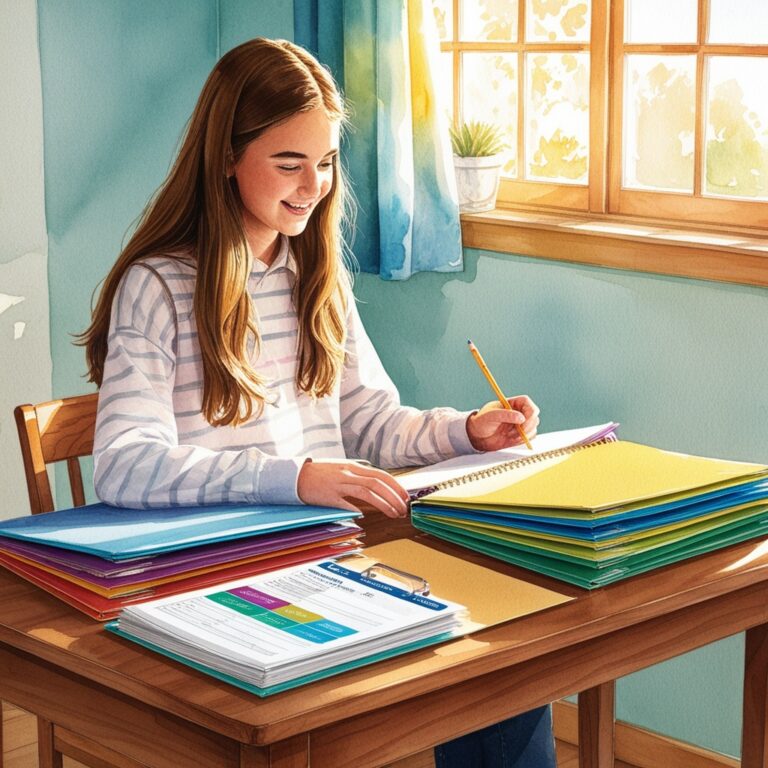
Free Printable Homeschool Year Planner
Plan your whole school year on one page — weekly, monthly, and yearly templates included.
Homeschool portfolio examples are one of the most requested resources by parents who need to document learning for state compliance, curriculum planning, or simple peace of mind. A well-organized portfolio proves academic progress, showcases a child’s growth over time, and can make year-end evaluations or college applications far less stressful. In this guide, we break down real-world portfolio formats, what to include, and how to build one that actually works for your family.
Whether you are homeschooling for the first time or looking to improve an existing system, portfolios do not need to be complicated. Many successful homeschool families use nothing more than a binder, a digital folder, or a simple app to track work samples, photos, and reflections throughout the year.
This article walks through several homeschool portfolio examples by grade level and learning style, explains what state requirements typically look for, and gives you templates you can start using today. By the end, you will have a clear plan for building a portfolio that reflects your child’s true progress.
Key Takeaways
- A homeschool portfolio is a curated collection of work samples, assessments, and records that document a student’s academic year.
- Portfolio formats vary by grade level, from simple photo logs for kindergarten to detailed transcripts for high school.
- Many states require portfolios for annual review, so checking your local homeschool law is essential.
- Digital tools like Google Drive, Evernote, or dedicated homeschool apps make portfolio building faster and more organized.
- The best portfolios include a mix of work samples, photos, reading logs, and a brief parent narrative summarizing progress.
What Is a Homeschool Portfolio and Why It Matters

A homeschool portfolio is a structured collection of a student’s work, assessments, and records gathered over an academic year. It serves as tangible evidence of learning and growth, whether for legal compliance, personal record-keeping, or future academic transitions.
According to the Home School Legal Defense Association (HSLDA), roughly a dozen states require some form of portfolio review or annual assessment for homeschooled students. Even in states without mandates, portfolios remain a best practice for tracking progress and identifying gaps early.
Why Portfolios Matter Beyond Compliance
Beyond satisfying legal requirements, portfolios help parents reflect on what is working and what needs adjustment. They also create a meaningful keepsake that children can look back on with pride.
- They provide proof of academic progress for state evaluations.
- They help identify strengths and areas needing more support.
- They simplify college or transcript preparation for high schoolers.
- They create a lasting record of your child’s educational journey.

Homeschool Portfolio Examples by Grade Level
Portfolio contents naturally shift as children move through different stages of education. What works for a first grader will look very different from a high school transcript-ready portfolio.
Elementary Homeschool Portfolio Example (K-5th Grade)
For younger children, portfolios often lean heavily on photos, drawings, and simple work samples rather than formal tests.
- Monthly work samples in math, reading, and writing
- Photos of hands-on projects, nature walks, or science experiments
- A running reading log with book titles and dates
- Art samples showing fine motor skill progress
- A short parent reflection each quarter
Middle School Homeschool Portfolio Example (6th-8th Grade)
Middle school portfolios start to include more structured assessments and subject-specific documentation.
- Graded tests and quizzes by subject
- Writing samples showing essay development over time
- Project-based learning documentation, such as science fair boards
- Extracurricular and community service logs
- A basic course description list for each subject
High School Homeschool Portfolio Example (9th-12th Grade)
High school portfolios need to be the most detailed since they often support transcripts and college applications.
- Course descriptions and credit hour documentation
- Transcript with grades and GPA calculations
- Standardized test scores, if applicable
- Work samples demonstrating college-level writing or lab work
- Extracurricular activities, volunteer hours, and part-time work records
For more grade-specific planning ideas, our grade level guides offer detailed breakdowns of what to teach and document at each stage.
Digital vs Physical Homeschool Portfolio Examples
One of the first decisions families face is whether to build a physical binder-based portfolio or a fully digital one. Both formats work well, and many families use a hybrid approach.
Physical Portfolio Example
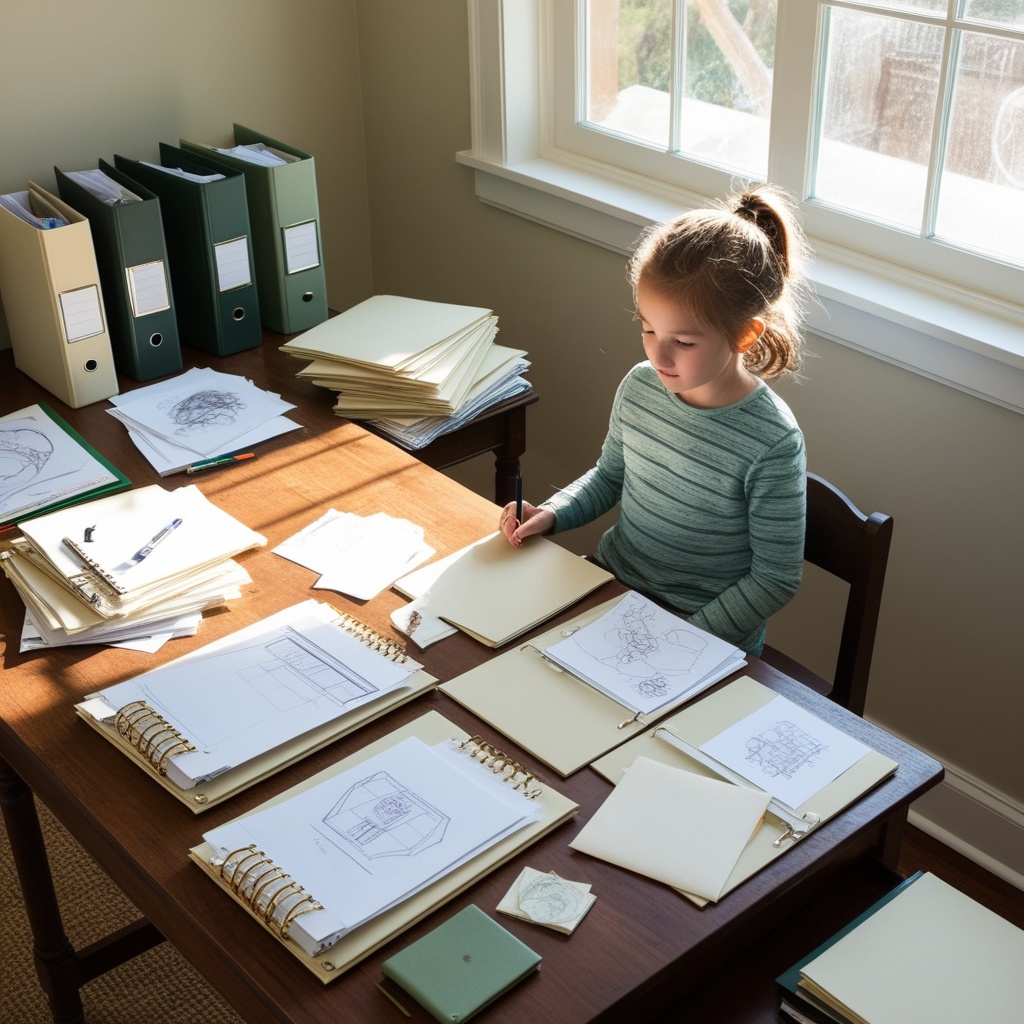
A classic physical portfolio uses a three-ring binder divided by subject or month. Families add sheet protectors for work samples, photos, and certificates.
- Pros: tangible, easy to flip through during evaluations, no tech required
- Cons: bulky, harder to duplicate or share digitally
Digital Portfolio Example
A digital portfolio might use Google Drive folders, a dedicated app, or even a simple photo album organized by subject and date.
- Pros: easy to share with evaluators, searchable, takes up no physical space
- Cons: requires consistent digital organization and backup habits
Many families find that scanning physical work into a digital folder each week offers the best of both worlds. This habit also protects your records in case of loss or damage.
What to Include in a Homeschool Portfolio
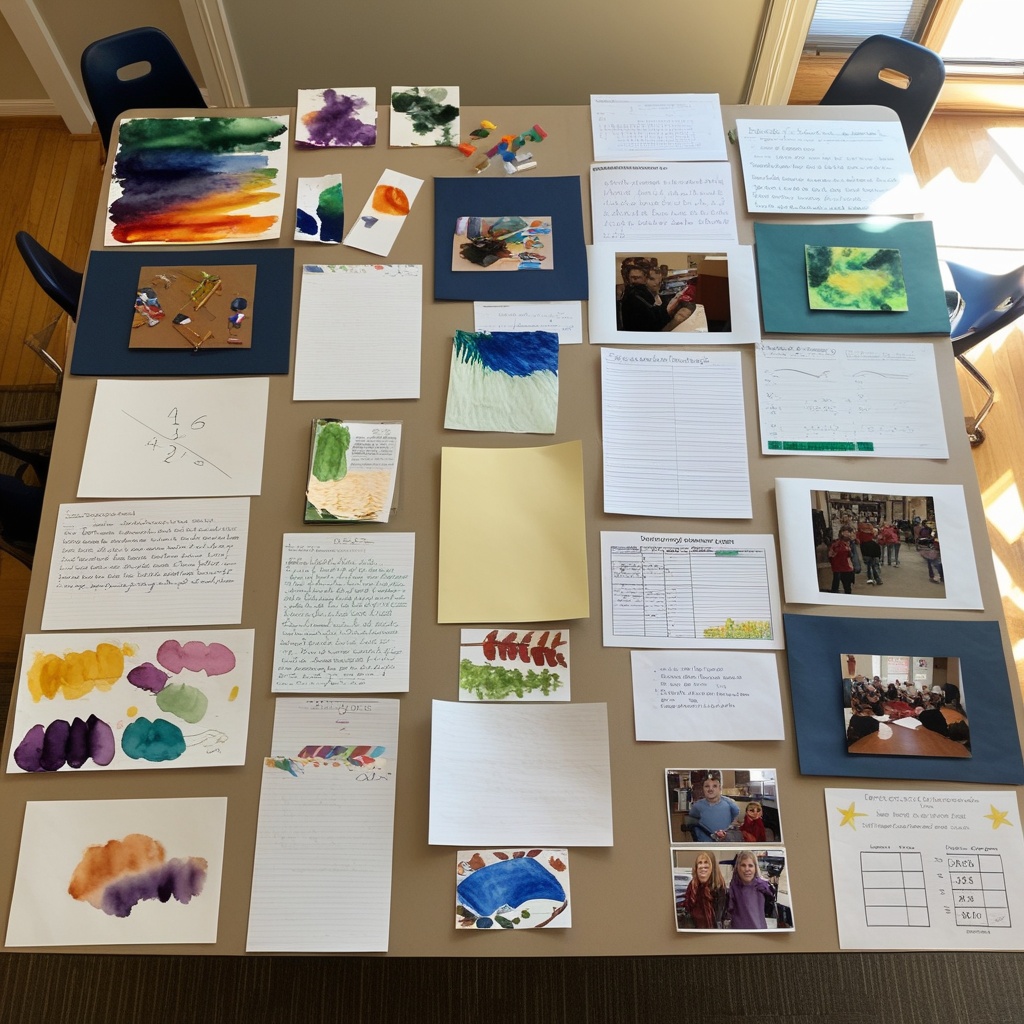
Regardless of format, most strong homeschool portfolio examples share a similar core structure. Knowing what to include removes the guesswork and keeps you consistent throughout the year.
Essential Portfolio Components
- Attendance or hours log
- Course of study or curriculum list
- Work samples for each subject, collected monthly
- Reading list with titles and completion dates
- Photos or descriptions of field trips and hands-on projects
- Standardized test scores, if required by your state
- A brief parent narrative summarizing the year’s progress
Optional but Helpful Additions
- Certificates from co-ops, clubs, or competitions
- Video or audio recordings of presentations or recitals
- Goal-setting worksheets showing progress over time
Organizations like Scholastic also offer free printable reading logs and writing prompts that fit neatly into a portfolio binder.
Homeschool Portfolio Examples by Learning Style
Because homeschooling allows for flexible teaching methods, portfolios often reflect the specific curriculum approach a family uses. Here are a few homeschool portfolio examples tailored to popular methods.
Charlotte Mason Portfolio Example
This style emphasizes narration, nature study, and living books, so portfolios typically include nature journals, narration transcripts, and copywork samples.
Classical Education Portfolio Example
Classical homeschoolers often document progress through Latin translations, memory work logs, and essay drafts organized by the trivium stage.
Unit Study or Project-Based Portfolio Example
Families using unit studies tend to organize portfolios by theme rather than subject, showcasing how math, science, and writing connected around a single topic.
Unschooling Portfolio Example
Unschooling portfolios rely heavily on photos, journals, and parent narratives describing self-directed learning experiences throughout the year.
If you are still deciding on an approach, our curriculum methods section compares these styles in more depth.
Portfolio Requirements by State
Homeschool portfolio requirements vary significantly depending on where you live. Some states require nothing formal, while others mandate an annual portfolio review by a certified teacher.
States With Strict Portfolio Requirements
States like New York and Pennsylvania require detailed quarterly reports or annual portfolio reviews that include specific subjects and work samples.
States With Moderate Requirements
Some states require only proof of attendance or a simple notification, with portfolio documentation recommended but not mandated.
States With Minimal Requirements
A number of states have very low regulation, meaning portfolios are entirely optional but still highly recommended for personal tracking.
Always verify current requirements through your state department of education or a trusted resource like HSLDA’s state law summaries, since regulations can change from year to year.
Step-by-Step: Building Your Own Portfolio
Now that you have seen several homeschool portfolio examples, here is a simple process for building your own from scratch.
Step 1: Choose Your Format
Decide between physical, digital, or hybrid based on your family’s habits and your state’s requirements.
Step 2: Set a Weekly Filing Habit
Set aside 10 to 15 minutes each Friday to file work samples, photos, and logs. Consistency matters more than perfection.
Step 3: Organize by Subject or Month
Choose one organizational system and stick with it all year to avoid confusion during evaluations.
Step 4: Add a Narrative Summary Each Quarter
Write a short paragraph describing progress, challenges, and highlights every nine weeks. This makes year-end reviews much faster.
Step 5: Review and Adjust
At the end of each term, review the portfolio together with your child to celebrate progress and set new goals.
For ready-made templates that simplify this process, browse our lesson plan shop for printable portfolio trackers and planning sheets.
Common Portfolio Mistakes to Avoid
Even experienced homeschool families can fall into a few common traps when building portfolios. Avoiding these mistakes will save time and stress later.
- Waiting until the end of the year to compile everything at once
- Including too much material without organization or labels
- Forgetting to date work samples
- Skipping the parent narrative or reflection section
- Not backing up digital files in more than one location
Small, consistent habits throughout the year prevent the last-minute scramble that many new homeschoolers experience. If you are just starting out, our getting started resources can help you build sustainable routines from day one.
Tools and Templates for Homeschool Portfolios
Several tools can streamline the portfolio-building process, whether you prefer analog or digital methods.
Physical Tools
- Three-ring binders with subject dividers
- Sheet protectors for work samples and artwork
- Accordion folders for monthly organization
Digital Tools
- Google Drive or Dropbox for cloud storage
- Evernote or OneNote for organized digital journals
- Homeschool-specific apps that track attendance and subjects automatically
Pairing these tools with a solid weekly or monthly schedule makes a huge difference. Check out our scheduling and planning category for tips on building a routine that supports consistent portfolio maintenance.
Frequently Asked Questions
What is the best format for a homeschool portfolio?
The best format depends on your family’s habits and your state’s requirements. Physical binders work well for tangible evaluations, while digital folders offer easier sharing and searchability. Many families use a hybrid approach for maximum flexibility.
Do all states require a homeschool portfolio?
No, portfolio requirements vary by state. Some states mandate annual portfolio reviews, while others have minimal or no formal requirements. Always check current regulations through your state education department or HSLDA.
How often should I update my homeschool portfolio?
Weekly or biweekly updates work best to avoid a stressful year-end scramble. Setting aside just 10 to 15 minutes each week to file work samples keeps the portfolio manageable and current.
What should be included in a high school homeschool portfolio?
High school portfolios should include course descriptions, a transcript with grades, standardized test scores if applicable, and work samples showing college-level skills. Extracurricular and volunteer records are also valuable additions.
Can a homeschool portfolio replace standardized testing?
In some states, yes. Certain states allow portfolio review as an alternative to standardized testing for annual assessment purposes. Confirm your specific state’s policy since this varies significantly across the country.
How do I organize a homeschool portfolio for multiple children?
Use a separate binder or digital folder for each child, even if they share activities like field trips. This keeps individual progress clear and simplifies evaluations for each grade level.
What is a parent narrative in a homeschool portfolio?
A parent narrative is a short written summary describing a child’s academic progress, challenges, and achievements over a specific period. It adds context that work samples alone cannot fully capture.
📚 Recommended Homeschool Resources
As an Amazon Associate, I earn from qualifying purchases. Some links in this article are affiliate links, meaning I may earn a small commission at no extra cost to you.
Conclusion
Building a strong homeschool portfolio does not require perfection, only consistency and a clear system. Whether you choose a physical binder, a digital folder, or a hybrid approach, the goal is the same: to document real learning and celebrate progress throughout the year.
Use the homeschool portfolio examples in this guide as a starting point, then adjust them to fit your child’s grade level, learning style, and your state’s requirements. Small weekly habits will save you significant stress when evaluation time arrives.
If you would like personalized help setting up a portfolio system for your family, visit our contact page or learn more about our approach on the about page. We are here to help you homeschool with confidence.
Related Resources
- Lesson Plans for organized, ready-to-use curriculum materials
- Activities and Ideas for hands-on projects worth documenting in your portfolio
- Getting Started guides for families new to homeschooling

Loved this post? Grab the free resource above.
Plan your whole school year on one page — weekly, monthly, and yearly templates included.