
Free Printable Homeschool Year Planner
Plan your whole school year on one page — weekly, monthly, and yearly templates included.
A loop schedule homeschool approach offers families the flexibility to cycle through subjects without the rigid constraints of traditional daily schedules. This innovative scheduling method allows homeschooling families to work through their curriculum at a natural pace, ensuring every subject receives adequate attention while reducing the stress of trying to fit everything into each day.
Unlike conventional scheduling where specific subjects must be completed on designated days, loop scheduling creates a continuous rotation of subjects that families progress through sequentially. This method has gained popularity among homeschooling families who struggle with traditional time-blocked schedules or find themselves constantly behind in certain subjects.
In this comprehensive guide, we’ll explore everything you need to know about implementing a loop schedule in your homeschool, from basic concepts to practical implementation strategies that will transform your family’s learning experience.
Key Takeaways
- Loop scheduling creates a flexible rotation of subjects without rigid daily requirements
- This method reduces stress and allows families to work at their natural pace
- Perfect for families who struggle with traditional time-blocked schedules
- Ensures all subjects receive attention without daily pressure to complete everything
- Can be adapted for multiple children and various learning styles
What is Loop Scheduling in Homeschool
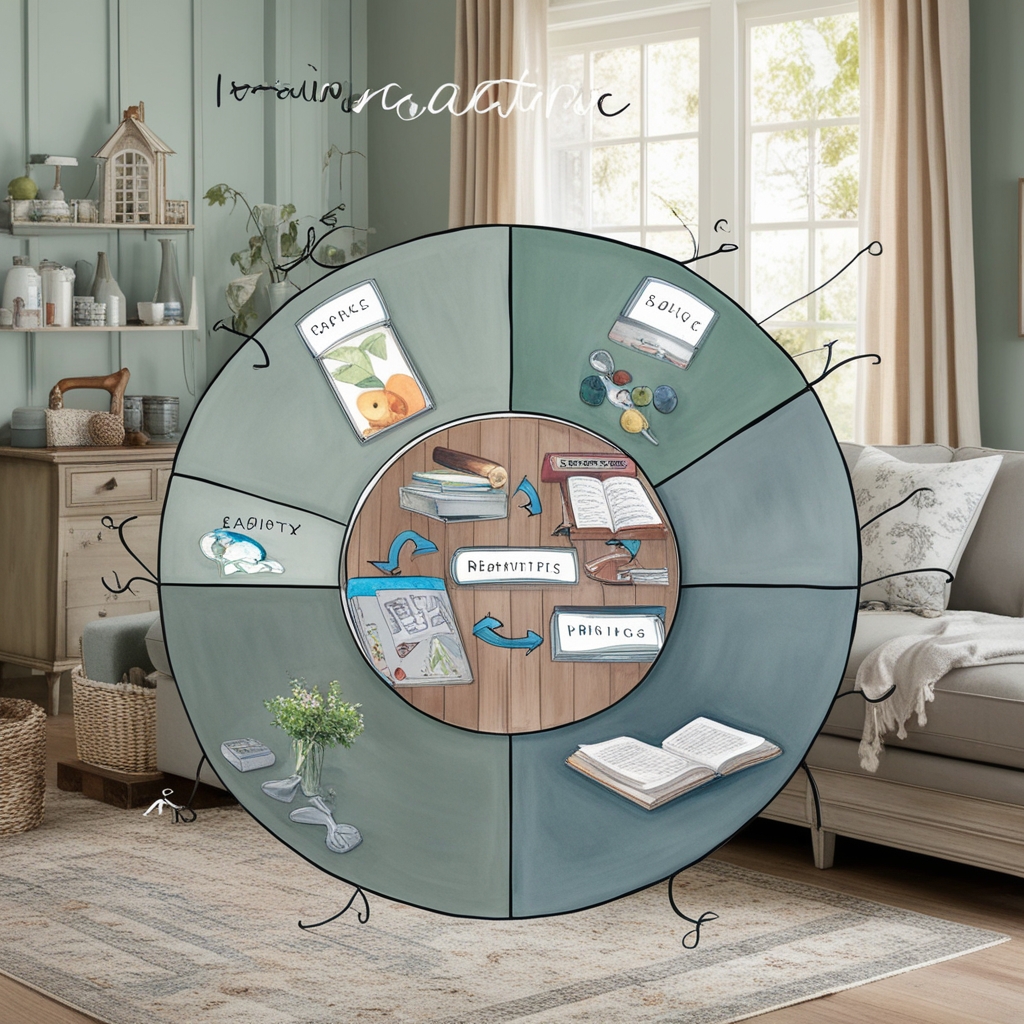
Loop scheduling is a flexible homeschool planning method where subjects are arranged in a continuous cycle or “loop” rather than assigned to specific days or time slots. Families work through each subject in order, moving to the next subject only after completing the current one, regardless of how long each subject takes.
This approach fundamentally differs from traditional scheduling because it removes the pressure of completing specific subjects on predetermined days. Instead, families focus on making consistent progress through their educational loop, allowing natural learning rhythms to guide their pace.
Core Principles of Loop Scheduling
The foundation of effective loop scheduling rests on several key principles that distinguish it from other homeschool planning methods:
- Sequential Progress: Subjects are completed in a predetermined order
- Flexible Timing: No rigid time limits for individual subjects
- Continuous Cycle: After completing the last subject, the loop begins again
- Natural Pacing: Families work at their own comfortable speed
- Reduced Pressure: No daily requirements to complete specific subjects
According to educational research from the U.S. Department of Education, flexible scheduling approaches can improve learning outcomes by allowing students to engage more deeply with material when they’re naturally focused and ready.
Who Benefits Most from Loop Scheduling
Loop scheduling works particularly well for families who experience certain challenges with traditional homeschool schedules. Understanding whether your family fits this profile can help determine if this method is right for you.
Families with children who have attention challenges, varying energy levels throughout the day, or those who prefer to dive deep into subjects rather than switching frequently often find loop scheduling transformative. Additionally, parents who feel overwhelmed by rigid scheduling or struggle with time management may discover this approach reduces their stress significantly.
Benefits of Using a Loop Schedule
The advantages of implementing a loop schedule homeschool approach extend far beyond simple flexibility. Families who adopt this method often discover improvements in their overall homeschool experience that they hadn’t anticipated.
Reduced Stress and Pressure
One of the most significant benefits families report is the dramatic reduction in daily stress. Traditional schedules can create anxiety when subjects aren’t completed as planned, leading to feelings of failure or being behind.
Loop scheduling eliminates this pressure by removing artificial deadlines for daily subject completion. Families can focus on quality learning experiences rather than racing against the clock to check off every subject each day.
Natural Learning Rhythms
Children naturally have varying attention spans and energy levels for different subjects. Some days they might be deeply engaged in science experiments, while other days they’re drawn to creative writing or mathematical problem-solving.
Loop scheduling honors these natural rhythms by allowing children to spend more time on subjects when they’re genuinely engaged, leading to deeper understanding and retention of material.
Improved Family Dynamics
Many families find that loop scheduling improves their overall family atmosphere. Without the constant pressure to complete specific subjects daily, parents can be more responsive to their children’s needs and interests.
This flexibility often leads to more positive learning experiences and stronger family relationships, as education becomes less about compliance and more about genuine learning and growth.
Guaranteed Subject Coverage
Unlike traditional scheduling where some subjects might be consistently skipped or rushed, loop scheduling ensures that every subject in the rotation receives attention. The cyclical nature means that even if a family moves slowly through their loop, all subjects will eventually be covered.
This systematic approach provides peace of mind for parents who worry about accidentally neglecting important areas of their children’s education.
How Loop Scheduling Works
Understanding the mechanics of loop scheduling is essential for successful implementation. The system operates on simple principles that can be adapted to fit any family’s unique needs and circumstances.
Basic Loop Structure
A typical loop schedule begins with identifying all subjects that need regular attention. These might include core academics like math, language arts, science, and history, along with enrichment subjects like art, music, or foreign language.
Once subjects are identified, they’re arranged in a specific order that makes sense for your family. Some families prefer to alternate between challenging and easier subjects, while others group related subjects together.
Daily Implementation
Each homeschool day, families work through their loop in order. They might complete one subject, two subjects, or even three, depending on the day’s circumstances and the children’s engagement levels.
The key is consistency in following the established order rather than trying to complete a specific number of subjects each day. Some days might be highly productive with several subjects completed, while other days might involve deep engagement with just one area of study.
Tracking Progress
Effective loop scheduling requires simple tracking methods to know where you are in the cycle. Many families use basic charts, checklists, or even digital tools to mark their progress through the loop.
This tracking serves multiple purposes: it prevents subjects from being accidentally skipped, helps identify patterns in your family’s learning rhythms, and provides documentation for record-keeping requirements.
Completing the Cycle
When families reach the end of their loop, they simply begin again at the first subject. This continuous cycle ensures that all subjects receive regular attention throughout the homeschool year.
The beauty of this system lies in its self-correcting nature. If a family spends extra time on certain subjects during one cycle, they’ll naturally balance out during subsequent cycles.
Creating Your First Loop Schedule
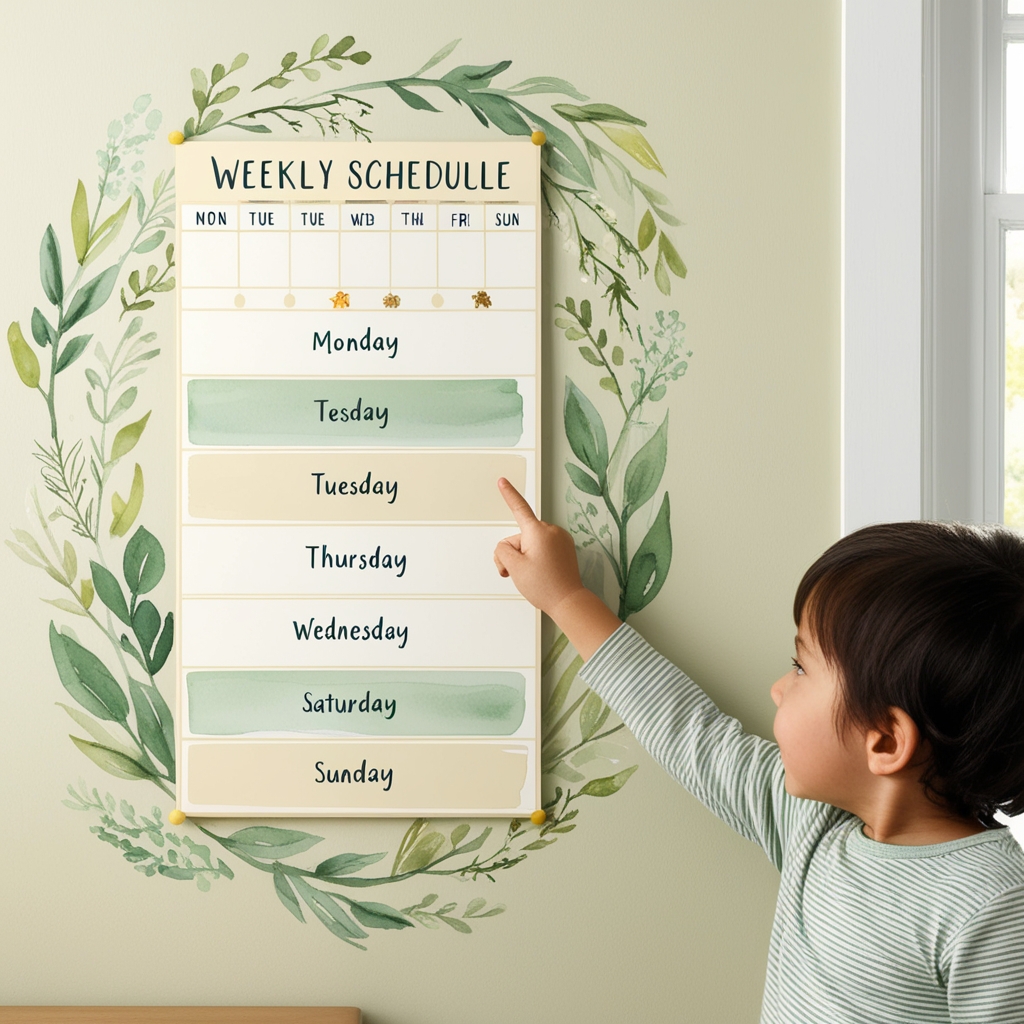
Developing an effective loop schedule requires thoughtful planning and consideration of your family’s unique needs, learning styles, and educational goals. The process involves several key steps that will set the foundation for successful implementation.
Step 1: Identify Your Subjects
Begin by listing all subjects that need regular attention in your homeschool. Start with core academics and then add enrichment subjects, life skills, or special interests.
Consider your state’s homeschool requirements and your family’s educational philosophy when making this list. Most families include 6-12 subjects in their loop, though this can vary based on children’s ages and family priorities.
- Core subjects: Math, Language Arts, Science, History/Social Studies
- Enrichment: Art, Music, Physical Education, Foreign Language
- Life skills: Cooking, Financial Literacy, Technology
- Special interests: Nature study, Geography, Logic
Step 2: Determine Subject Order
The order of subjects in your loop can significantly impact your family’s daily experience. Consider factors like energy levels, subject difficulty, and natural transitions between topics.
Many successful families start their loop with math when children’s minds are fresh, follow with language arts, then alternate between other subjects. Experiment with different arrangements to find what works best for your family.
Step 3: Consider Time Requirements
While loop scheduling doesn’t require strict time limits, understanding approximate time needs for each subject helps in planning realistic expectations. Some subjects naturally require more time than others.
Math might consistently take 30-45 minutes, while art projects could extend for hours when children are engaged. Factor these natural tendencies into your loop design.
Step 4: Create Your Tracking System
Develop a simple method for tracking progress through your loop. This could be as basic as a printed list where you check off completed subjects or as sophisticated as a digital tracking system.
The scheduling and planning resources available through HomeschoolingExperts.org can provide additional tools and templates for effective loop schedule tracking.
Step 5: Plan for Flexibility
Build flexibility into your loop schedule from the beginning. Consider how you’ll handle sick days, field trips, holidays, or days when children are particularly engaged with one subject.
This planning prevents the system from breaking down when life inevitably disrupts your routine.
Different Types of Loop Schedule Variations
Loop scheduling isn’t a one-size-fits-all approach. Successful homeschooling families have developed numerous variations to meet their specific needs, learning styles, and family dynamics.
Simple Subject Loop
The most basic form involves cycling through academic subjects in a predetermined order. This straightforward approach works well for families new to loop scheduling or those who prefer simplicity.
Example sequence: Math → Language Arts → Science → History → Art → Music → Physical Education
Multi-Child Loops
Families with multiple children often create separate loops for different age groups or combine subjects where possible. This variation requires more planning but can be highly effective for managing multiple students.
Some families create parallel loops where older children work independently while parents focus on younger children, then switch attention as needed.
Seasonal Loops
This variation adjusts the loop based on seasons or family rhythms. Summer might emphasize outdoor activities and nature study, while winter focuses more on indoor academic pursuits.
Seasonal loops allow families to align their education with natural rhythms and take advantage of seasonal opportunities for learning.
Interest-Based Loops
Some families create loops that rotate through different interest areas or project-based learning themes. This approach works particularly well for families who prefer unit studies or thematic learning.
Children might cycle through different areas of exploration, spending several days or weeks on each before moving to the next area of interest.
Hybrid Approaches
Many families combine loop scheduling with other methods, creating hybrid approaches that meet their unique needs. They might use traditional scheduling for core subjects and loop scheduling for enrichment activities.
This flexibility allows families to customize their approach based on what works best for different areas of their homeschool program.
Implementation Tips for Success
Successfully implementing a loop schedule homeschool approach requires more than just understanding the concept. These practical tips will help ensure your transition to loop scheduling is smooth and sustainable.
Start Small and Simple
Begin with a basic loop containing only essential subjects. As your family becomes comfortable with the rhythm, you can gradually add more subjects or complexity to your system.
This gradual approach prevents overwhelm and allows everyone to adjust to the new method without feeling confused or frustrated.
Establish Clear Expectations
While loop scheduling is flexible, children still benefit from understanding how the system works. Explain the concept in age-appropriate terms and involve older children in tracking progress through the loop.
Clear communication helps everyone feel secure in the new approach and reduces resistance to change.
Be Patient During Transition
Families accustomed to traditional scheduling may need several weeks to fully adjust to loop scheduling. Expect some confusion or resistance initially, and be prepared to make adjustments as needed.
This transition period is normal and doesn’t indicate that the method won’t work for your family.
Regular Review and Adjustment
Schedule regular family meetings to discuss how the loop schedule is working. Ask children for feedback and be willing to modify the order, subjects, or approach based on what you’re learning.
Successful loop scheduling requires ongoing refinement to meet your family’s evolving needs and preferences.
Maintain Records
Keep simple records of subjects completed and time spent for legal compliance and progress monitoring. Many states require documentation of homeschool activities, and good records support your loop scheduling approach.
The lesson plan shop offers various tracking tools that can be adapted for loop schedule record-keeping.
Plan for Interruptions
Develop strategies for handling days when the loop schedule is interrupted. Decide in advance whether you’ll skip subjects, make up missed work, or simply continue where you left off.
Having these plans in place prevents interruptions from derailing your entire system.
Common Challenges and Solutions
While loop scheduling offers many benefits, families may encounter specific challenges during implementation. Understanding these common issues and their solutions can help you navigate potential obstacles successfully.
Uneven Subject Distribution
Some families worry that certain subjects receive less attention over time, especially if they consistently spend more time on preferred subjects.
Solution: Track completion patterns over several weeks to identify imbalances. If necessary, set gentle time guidelines or split longer subjects into smaller segments to ensure more even distribution.
Children Resisting Less Preferred Subjects
Children might try to extend time on enjoyable subjects to avoid those they find challenging or less interesting.
Solution: Establish reasonable completion criteria for each subject rather than strict time limits. This ensures progress while maintaining the flexibility that makes loop scheduling effective.
Difficulty Tracking Progress
Some families struggle with keeping track of where they are in their loop, especially during busy periods or after interruptions.
Solution: Use visual tracking methods like charts, calendars, or apps that make progress immediately apparent. Involve children in tracking to increase engagement and accountability.
Perfectionist Tendencies
Parents accustomed to checking off daily subject lists might feel anxious about the less structured nature of loop scheduling.
Solution: Focus on weekly or monthly progress rather than daily completion. Remember that consistent movement through the loop ensures all subjects receive attention over time.
Integration with External Schedules
Families with co-op classes, tutoring, or other scheduled activities may find it challenging to integrate loop scheduling with external commitments.
Solution: Create separate loops for different days or times, or designate certain subjects as “scheduled” and others as “loop” subjects to accommodate external requirements.
Loop Schedule vs Traditional Scheduling
Understanding the differences between loop scheduling and traditional homeschool scheduling helps families make informed decisions about which approach best serves their needs.
Flexibility Comparison
Traditional scheduling typically assigns specific subjects to particular days or time slots, creating predictable routines but limited flexibility. Loop scheduling prioritizes adaptability over rigid structure.
Research from educational organizations suggests that flexible scheduling can improve student engagement and learning outcomes, particularly for children who struggle with rigid structures.
Stress Levels
Traditional scheduling can create stress when families fall behind or skip subjects, leading to feelings of failure or inadequacy. Loop scheduling reduces this stress by eliminating daily pressure to complete specific subjects.
Many families report improved family dynamics and reduced homeschool burnout after switching to loop scheduling methods.
Subject Coverage
While traditional scheduling ensures daily exposure to core subjects, it may result in some subjects being consistently skipped or rushed. Loop scheduling guarantees that all subjects in the rotation receive attention over time.
The cyclical nature of loop scheduling provides built-in accountability for subject coverage without daily pressure.
Planning Requirements
Traditional scheduling often requires detailed daily or weekly planning, while loop scheduling needs primarily initial setup and periodic adjustments.
This difference can be particularly beneficial for parents who struggle with extensive planning or prefer more spontaneous educational approaches.
Record Keeping
Both methods require record keeping for legal compliance, but the documentation looks different. Traditional scheduling typically tracks daily subject completion, while loop scheduling focuses on progress through cycles over time.
For families in states with detailed reporting requirements, either method can provide adequate documentation when properly implemented.
Frequently Asked Questions
How long does each subject take in a loop schedule?
There’s no set time requirement for subjects in loop scheduling. Some subjects might take 20 minutes while others could extend to an hour or more, depending on your child’s engagement and the nature of the material. The key is allowing natural completion rather than forcing artificial time limits.
What if my child wants to skip a subject in the loop?
While loop scheduling is flexible, it’s important to maintain the sequence to ensure all subjects receive attention. If a child strongly resists a subject, consider shortening the session, modifying the approach, or addressing the underlying issue rather than skipping entirely.
How many subjects should be in a loop schedule?
Most families include 6-12 subjects in their loop, but this varies based on children’s ages, family priorities, and state requirements. Start with essential subjects and add others as you become comfortable with the system.
Can loop scheduling work with multiple children of different ages?
Yes, loop scheduling can be adapted for multiple children through various approaches: separate loops for different age groups, combined family loops with age-appropriate modifications, or parallel loops where children work independently on their individual cycles.
How do I handle standardized testing requirements with loop scheduling?
Loop scheduling naturally covers all required subjects over time, making it compatible with testing requirements. Keep simple records of subjects completed and consider scheduling review periods before testing dates if needed.
What if we get stuck on one subject and never move forward?
Set reasonable completion criteria for each subject rather than relying solely on child interest. This might mean completing a specific number of pages, problems, or activities before moving to the next subject in the loop.
Is loop scheduling suitable for high school students?
Loop scheduling can work for high school students, particularly for electives, review subjects, or independent study areas. However, some high school courses may require more traditional scheduling due to external requirements like dual enrollment or AP exam preparation.
Planners Homeschool Moms Swear By
As an Amazon Associate, HomeschoolingExperts earns from qualifying purchases. Some links in this article are affiliate links, meaning we may earn a small commission at no extra cost to you.
Conclusion
Loop schedule homeschooling offers families a refreshing alternative to traditional rigid scheduling methods, providing the flexibility needed to honor natural learning rhythms while ensuring comprehensive subject coverage. This approach reduces daily stress, improves family dynamics, and creates space for deeper learning experiences.
The success of loop scheduling lies in its simplicity and adaptability. Whether you’re struggling with traditional schedules, seeking more flexibility, or simply wanting to reduce homeschool stress, this method provides a framework that grows with your family’s changing needs.
Remember that implementing any new scheduling approach takes time and patience. Start small, be willing to make adjustments, and focus on the long-term benefits rather than daily perfection. With consistent application and thoughtful refinement, loop scheduling can transform your homeschool experience.
Ready to explore more homeschooling strategies and resources? Visit our getting started guide for additional support, or browse our comprehensive collection of curriculum methods to find approaches that complement your loop scheduling journey.
Related Resources
- Scheduling and Planning Strategies – Explore additional time management and organizational methods for homeschooling families
- Curriculum Methods and Approaches – Discover various educational philosophies and methods that work well with flexible scheduling
- About HomeschoolingExperts.org – Learn more about our mission to support homeschooling families with practical, research-based guidance

Loved this post? Grab the free resource above.
Plan your whole school year on one page — weekly, monthly, and yearly templates included.