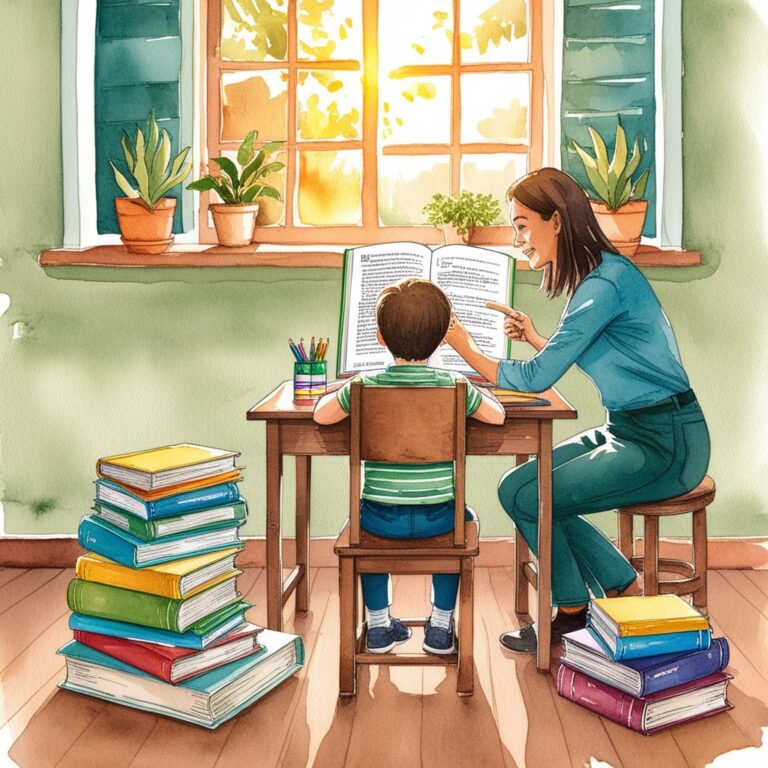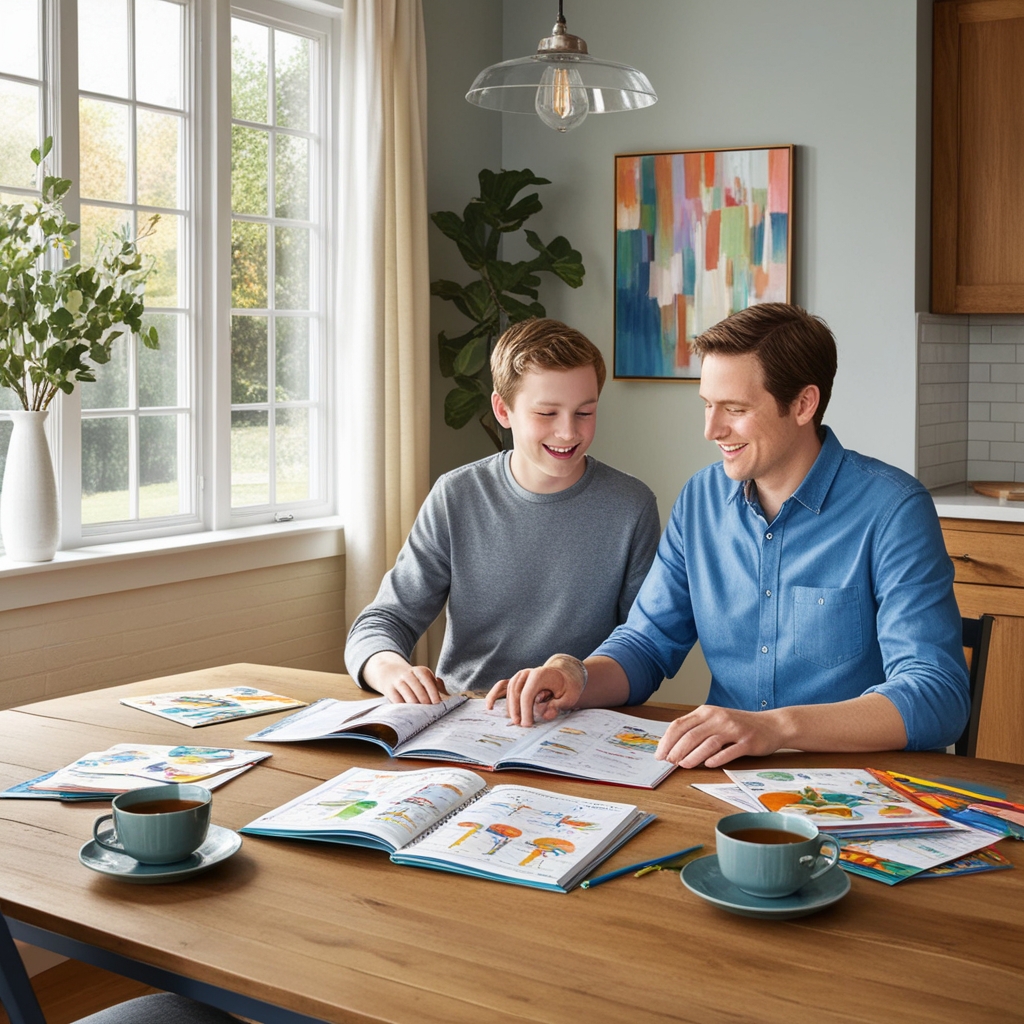
Free Curriculum Comparison Guide
Compare Charlotte Mason, Classical, Montessori, Waldorf, and more in one printable side-by-side guide.
An open and go homeschool curriculum is a complete educational program designed for busy homeschool families who need minimal preparation time while still providing quality education for their children. These comprehensive curricula include everything you need to teach your child effectively—lesson plans, worksheets, answer keys, and often multimedia resources—all organized and ready to use straight out of the box.
For many homeschool parents, the biggest challenge isn’t the desire to educate their children at home, but finding the time to plan, prepare, and organize lessons while managing household responsibilities, work commitments, and multiple children. Open and go curricula solve this problem by providing structured, sequential learning materials that require minimal parent preparation time.
In this comprehensive guide, we’ll explore the best open and go homeschool curriculum options available, help you understand the benefits and potential drawbacks, and provide practical advice for choosing the right program for your family’s unique needs and learning style.
Key Takeaways
- Open and go curricula save parents 5-10 hours of weekly lesson planning time
- These programs work best for families with busy schedules, new homeschoolers, or parents teaching multiple grade levels
- Quality varies significantly between providers—research thoroughly before committing
- Most programs cost between $300-800 per child annually
- Flexibility to supplement or modify lessons remains important for meeting individual learning needs
What Is Open and Go Homeschool Curriculum?

Open and go homeschool curriculum represents a comprehensive educational approach designed specifically for families who want to provide quality education without extensive daily preparation. These programs include detailed lesson plans, student materials, assessment tools, and teaching guides all organized in a logical sequence that parents can follow with minimal advance planning.
Core Components of Open and Go Programs
Most quality open and go curricula include several essential components that make them truly ready-to-use. Daily lesson plans provide step-by-step instructions for parents, often including suggested timing and teaching tips for each activity.
Student workbooks or worksheets come pre-organized by subject and grade level, eliminating the need for parents to search for or create appropriate practice materials. Answer keys and teaching guides help parents feel confident in their ability to explain concepts and check their child’s work accurately.
Many programs also include multimedia resources such as educational videos, online games, or audio components that enhance learning and provide variety in instruction methods. According to the National Home Education Research Institute, families using structured curricula report higher confidence levels in their homeschooling journey.
Different Formats Available
Open and go curricula come in various formats to accommodate different family preferences and technological capabilities. Traditional print-based programs provide physical books, workbooks, and materials that many families prefer for their tangible nature and reduced screen time.
Digital programs offer the convenience of instant access, automatic progress tracking, and often include interactive elements that engage students. Many families find digital options particularly helpful when homeschooling multiple children, as materials can be easily accessed simultaneously.
Hybrid programs combine both print and digital elements, offering flexibility while maintaining the benefits of both formats. These often include printed workbooks with online video lessons or digital teacher resources paired with physical manipulatives.
Benefits and Drawbacks of Open and Go Programs
Understanding both the advantages and limitations of open and go homeschool curriculum helps families make informed decisions about whether this approach aligns with their educational goals and family dynamics.
Primary Benefits for Busy Families
The most significant advantage of open and go curricula is time savings. Parents report saving 5-10 hours weekly that would otherwise be spent researching, planning, and preparing lessons. This time can be redirected toward actual teaching, family activities, or other responsibilities.
Reduced stress levels represent another major benefit, particularly for new homeschool families who may feel overwhelmed by the prospect of creating comprehensive educational plans. Having a structured program provides confidence and peace of mind that important educational concepts are being covered systematically.
Consistency in education becomes easier to maintain when using open and go programs. Even during busy periods, sick days, or family disruptions, parents can quickly pick up where they left off without losing educational momentum.
For families with multiple children, these programs often provide grade-appropriate materials that can be managed simultaneously, making multi-level teaching more manageable. Our scheduling and planning resources offer additional strategies for managing multiple grade levels effectively.
Potential Limitations to Consider
While open and go curricula offer numerous benefits, they also have limitations that families should consider. Reduced flexibility can be a concern for families who prefer to follow their child’s interests or adjust pacing based on individual learning needs.
One-size-fits-all approaches may not accommodate children with unique learning styles, special needs, or exceptional abilities. Some students may find the predetermined structure limiting or may need additional challenge or support in certain subject areas.
Cost considerations can be significant, as quality comprehensive programs often require substantial upfront investment. Additionally, if a program doesn’t work well for your family, switching can involve additional expense and disruption.
Limited parent involvement in curriculum design may feel restrictive for families who enjoy creating personalized learning experiences or who have strong preferences about educational philosophy or methodology.
Top Open and Go Homeschool Curriculum Options
The homeschool market offers numerous open and go curriculum options, each with distinct features, strengths, and target audiences. Understanding the characteristics of leading programs helps families identify the best fit for their needs.
Comprehensive Multi-Subject Programs
Time4Learning provides a popular online option that covers all core subjects with automatic record-keeping and progress tracking. Their program adapts to different learning paces and includes both teaching lessons and reinforcement activities.
Sonlight offers literature-based learning with detailed instructor guides that require minimal preparation. Their programs emphasize reading excellent books while covering history, science, and language arts in an integrated approach.
Abeka provides traditional, structured learning with video lessons taught by experienced teachers. Their comprehensive approach covers all subjects with detailed lesson plans and regular assessments.
BJU Press offers both traditional textbook-based and video-based options with Christian worldview integration. Their materials include detailed teaching guides and multimedia resources.
Subject-Specific Open and Go Options
For families who prefer to mix and match curricula by subject, several providers offer excellent single-subject open and go options. Teaching Textbooks provides automated math instruction with built-in teaching and self-correction features.
IEW (Institute for Excellence in Writing) offers structured writing programs with video instruction and detailed lesson plans that require minimal parent preparation. Apologia provides science curricula with comprehensive teacher guides and multimedia resources.
All About Reading and All About Spelling offer systematic phonics and spelling instruction with detailed teacher manuals and all necessary materials included in their programs.
Online Platform Solutions
Several online platforms provide complete open and go solutions with the added benefit of automatic grading and progress tracking. Khan Academy offers free, comprehensive instruction across multiple subjects with personalized learning dashboards.
Power Homeschool provides video-based instruction for all grade levels with automatic grading and transcript generation. Acellus Academy offers self-paced learning with video lessons and interactive activities.
These platforms often appeal to families comfortable with technology and those who appreciate detailed progress tracking and reporting features.
How to Choose the Right Open and Go Curriculum

Selecting the most appropriate open and go homeschool curriculum requires careful consideration of your family’s unique circumstances, educational goals, and learning preferences. A systematic approach to evaluation helps ensure you make the best choice for your situation.
Assessing Your Family’s Needs
Begin by honestly evaluating your available time for homeschool preparation and instruction. Families with very limited preparation time may benefit most from completely automated programs, while those with moderate time constraints might prefer programs that allow some customization.
Consider your comfort level with different teaching methods and technologies. Parents who feel confident explaining concepts may prefer programs with more flexibility, while those who want detailed guidance should look for curricula with comprehensive teaching instructions.
Evaluate your children’s learning styles and preferences. Visual learners may thrive with programs that include many illustrations and videos, while kinesthetic learners might need curricula that incorporate hands-on activities and movement.
Think about your educational philosophy and any specific requirements such as religious content, secular approaches, or particular pedagogical methods. Our about page provides more information about different educational approaches and philosophies.
Key Features to Evaluate
When comparing open and go curricula, examine the scope and sequence to ensure all required subjects and grade-level standards are adequately covered. Look for programs that align with your state’s educational requirements or standardized testing expectations.
Review sample lessons and materials to assess the quality of instruction and whether the teaching style matches your preferences. Pay attention to the clarity of instructions, the appropriateness of activities, and the overall presentation quality.
Consider the level of support provided, including customer service, technical support for online programs, and educational guidance. Some companies offer extensive support communities and resources, while others provide minimal assistance.
Examine assessment and record-keeping features, especially if you need detailed documentation for state reporting requirements or future school enrollment. Programs with built-in testing and grade tracking can save significant administrative time.
Trial Periods and Money-Back Guarantees
Many reputable curriculum providers offer trial periods or money-back guarantees that allow families to test programs before making full commitments. Take advantage of these opportunities to evaluate how well a program works with your family’s routine and learning style.
During trial periods, pay attention to your children’s engagement levels, your own comfort with the teaching materials, and the program’s fit with your daily schedule. Document any concerns or positive aspects to help inform your final decision.
Read the terms and conditions of trial offers carefully, including any requirements for returning materials or canceling subscriptions. Some programs have specific procedures that must be followed to receive refunds.
Implementation Tips for Success
Successfully implementing an open and go homeschool curriculum requires more than simply following the provided lesson plans. Strategic planning and thoughtful execution help families maximize the benefits while minimizing potential challenges.
Setting Up Your Homeschool Environment
Create a dedicated learning space that accommodates your chosen curriculum’s requirements. Programs with many manipulatives or hands-on activities need adequate storage and work surfaces, while digital programs require reliable internet access and appropriate devices.
Organize materials in a way that supports the open and go philosophy by keeping frequently used items easily accessible. Consider using bins, shelves, or caddies to store supplies by subject or week to maintain the convenience factor.
Establish routines that complement your curriculum’s structure while allowing for flexibility when needed. Most families find that consistent daily schedules help maintain momentum and reduce decision fatigue.
Maintaining Engagement and Motivation
Even with high-quality open and go curricula, maintaining student engagement requires attention and occasional intervention. Monitor your children’s response to the materials and be prepared to supplement with additional activities or modify approaches when needed.
Incorporate regular breaks and varied activities to prevent monotony, especially with programs that rely heavily on worksheets or screen time. Physical movement, creative projects, and real-world applications can enhance learning and maintain interest.
Celebrate progress and achievements regularly to maintain motivation. Many open and go programs include built-in milestone recognition, but adding your own family celebrations can increase engagement and create positive associations with learning.
Stay connected with your children’s learning experience by regularly discussing what they’re studying and showing genuine interest in their progress. This involvement helps maintain the relational aspect of homeschooling even when using structured curricula.
Troubleshooting Common Challenges
When students struggle with specific concepts or show resistance to certain activities, don’t hesitate to modify the program’s approach. Open and go doesn’t mean inflexible—successful families adapt materials to meet their children’s needs while maintaining the overall structure.
If pacing becomes an issue, adjust the schedule rather than pushing through inappropriately. Some children may need more time with certain concepts, while others may be ready to accelerate in particular subjects.
Address technical issues promptly when using digital programs, as delays can disrupt learning momentum. Keep contact information for customer support readily available and don’t hesitate to reach out for assistance.
For additional support and ideas, explore our activities and ideas section for supplementary resources that can enhance any curriculum.
Cost Considerations and Budgeting
Understanding the financial investment required for open and go homeschool curriculum helps families make informed decisions and budget appropriately for their educational expenses. Costs vary significantly based on program type, grade level, and included features.
Typical Price Ranges
Complete open and go curricula typically range from $300 to $800 per child annually, with some premium programs costing $1,000 or more. Digital programs often fall on the lower end of this range, while comprehensive print-based programs with extensive materials tend to be more expensive.
Subject-specific programs generally cost $50 to $200 per subject, making them potentially more expensive if purchasing multiple subjects separately but offering greater flexibility for families who only need certain areas covered.
Online platform subscriptions typically range from $20 to $50 monthly per child, with annual subscriptions often providing cost savings. Some platforms offer family plans that reduce per-child costs for larger families.
Hidden Costs to Consider
Beyond the basic curriculum cost, families should budget for additional expenses that may arise. Printing costs can be significant for digital programs that require extensive worksheet printing, potentially adding $100 or more annually.
Supplementary materials such as art supplies, science equipment, or manipulatives may not be included in all programs. Budget an additional $100 to $300 per year for these items, depending on your chosen curriculum’s requirements.
Technology costs, including computer upgrades, internet service improvements, or software subscriptions, may be necessary for digital programs. Factor these into your total educational budget when comparing options.
Replacement or additional materials for multiple children can increase costs over time. Some programs allow material reuse for siblings, while others require separate purchases for each child.
Cost-Saving Strategies
Several strategies can help reduce the financial impact of open and go curricula. Purchasing used materials from other homeschool families can provide significant savings, especially for print-based programs in good condition.
Homeschool co-ops and buying groups sometimes negotiate group discounts with curriculum providers. Joining local homeschool organizations can provide access to these opportunities and shared resources.
Consider mixing open and go programs with free resources for certain subjects. For example, using a comprehensive program for core subjects while utilizing free options like Khan Academy for supplementary math practice.
Take advantage of sales, promotional periods, and early-bird discounts offered by many curriculum companies. Planning purchases during these periods can result in substantial savings.
Customization and Flexibility Options
While open and go homeschool curriculum is designed for minimal preparation, successful implementation often requires some degree of customization to meet individual family needs and learning styles. Understanding how to modify programs while maintaining their convenience benefits helps families optimize their educational experience.
Adapting Pacing and Scheduling
Most open and go programs provide suggested pacing guides, but families should feel free to adjust these recommendations based on their children’s learning speed and family schedule. Some students may need additional time to master concepts, while others may be ready to accelerate through certain materials.
Consider implementing a four-day school week to allow more time for field trips, co-op classes, or catch-up work. Many families find this schedule reduces pressure while still covering all required material throughout the academic year.
Seasonal adjustments can help accommodate family vacations, work schedules, or other commitments. Some families prefer intensive periods followed by breaks, while others maintain consistent year-round schedules with shorter daily sessions.
Supplementing for Individual Needs
Even comprehensive programs may not address every child’s specific learning needs or interests. Identify areas where your child needs additional support or challenge and supplement accordingly with targeted resources.
For children who struggle with specific concepts, consider adding manipulatives, educational games, or alternative explanation methods. Online videos, library books, or hands-on activities can reinforce learning in different ways.
Advanced learners may benefit from enrichment activities, additional challenging problems, or opportunities to explore topics in greater depth. Many open and go programs can serve as a foundation while allowing time for pursuing individual interests.
Special learning needs may require specific accommodations or modifications to standard curricula. Work with educational professionals if needed to adapt materials while maintaining educational objectives.
Integrating Family Values and Interests
Open and go curricula can be enhanced by incorporating family values, cultural background, and special interests into the learning experience. Use current events, family history, or community resources to make lessons more relevant and engaging.
Field trips and real-world applications can bring textbook learning to life while maintaining the structure provided by your chosen curriculum. Museums, historical sites, nature centers, and community organizations offer excellent learning opportunities.
Consider how your family’s unique circumstances and interests can enhance the educational experience. Military families might emphasize geography and history, while families with artistic interests might expand creative components of their curriculum.
Grade Level Considerations
The effectiveness and appropriateness of open and go homeschool curriculum can vary significantly depending on the grade level and developmental stage of your children. Understanding these differences helps families choose programs that align with age-appropriate learning needs and parental involvement requirements.
Elementary Years (K-5)
Open and go curricula often work exceptionally well for elementary-aged children who benefit from structured, sequential learning and require significant parental guidance. At this level, programs typically include detailed instructions for teaching foundational skills in reading, writing, and mathematics.
Parent involvement remains high during elementary years, making the detailed teaching guides and step-by-step instructions particularly valuable. Many programs include hands-on activities, manipulatives, and engaging presentations that appeal to young learners’ developmental needs.
Reading instruction requires careful attention to individual progress, and quality open and go programs provide assessment tools and guidance for adjusting instruction based on each child’s reading development. Look for programs that include phonics instruction, sight word practice, and comprehension activities.
Mathematical concepts at this level benefit from concrete representations and systematic instruction, which many open and go programs provide through structured lessons and included manipulatives. The U.S. Department of Education emphasizes the importance of strong foundational skills during these crucial years.
Middle School Years (6-8)
Middle school students often benefit from open and go curricula that provide more independence while maintaining structure and guidance. Programs at this level typically include more complex projects, research assignments, and opportunities for students to take greater responsibility for their learning.
Subject-specific expertise becomes more important during middle school years, making comprehensive programs with expert-developed content particularly valuable. Parents may feel less confident teaching advanced mathematics or science concepts, making detailed teaching guides essential.
Social and emotional development during these years benefits from curricula that include discussion questions, journal prompts, and opportunities for self-reflection. Look for programs that address character development and critical thinking skills.
Preparation for high school becomes important during middle school years. Choose programs that build study skills, time management abilities, and academic independence that will serve students well in more advanced coursework.
High School Years (9-12)
High school open and go curricula must balance structure with the independence and critical thinking skills necessary for college and career preparation. Programs at this level often include more sophisticated content and expect greater student responsibility for learning.
Transcript and credit requirements become crucial considerations during high school years. Choose programs that clearly define course credits, maintain detailed records, and align with college admission requirements or state graduation standards.
Advanced coursework such as AP classes, dual enrollment, or specialized electives may require supplementing open and go programs with additional resources or external courses. Plan for these needs when selecting your primary curriculum.
College preparation features such as SAT/ACT prep, college application guidance, and career exploration should be considered when evaluating high school programs. Some comprehensive curricula include these elements, while others require separate resources.
For detailed guidance on high school planning, explore our grade level guides for specific recommendations and requirements.
Frequently Asked Questions
How much time does open and go curriculum actually save compared to planning my own lessons?
Open and go curriculum typically saves parents 5-10 hours per week that would otherwise be spent researching topics, creating lesson plans, finding appropriate worksheets, and organizing materials. This time savings allows parents to focus on actual teaching and spending quality time with their children rather than preparation work.
Can I still customize an open and go curriculum to fit my child’s learning style?
Yes, most open and go curricula can be adapted to accommodate different learning styles and pacing needs. You can supplement with additional hands-on activities, adjust the schedule, skip or repeat lessons as needed, and add enrichment materials while maintaining the program’s basic structure and convenience.
Are open and go curricula suitable for children with special learning needs?
Some open and go curricula can work well for children with special needs, particularly those that offer multiple learning modalities and flexible pacing. However, you may need to modify activities, provide additional support materials, or supplement with specialized resources to meet your child’s specific requirements.
How do I know if an open and go curriculum is meeting my state’s educational requirements?
Research your state’s homeschool laws and educational standards, then compare them with your chosen curriculum’s scope and sequence. Most reputable open and go programs align with common state standards, but you should verify this alignment and supplement if necessary to meet specific state requirements.
What should I do if my child becomes bored or resistant to the open and go curriculum?
If your child shows signs of boredom or resistance, try incorporating more hands-on activities, field trips, or real-world applications of the concepts being studied. You can also adjust the pacing, add challenging enrichment activities, or temporarily supplement with different teaching methods while maintaining the overall curriculum structure.
Is it more expensive to use open and go curriculum compared to piecing together individual resources?
Open and go curricula typically cost $300-800 per child annually, which can be more expensive upfront than using free or low-cost individual resources. However, when you factor in the time saved on planning and preparation, many families find the investment worthwhile. The cost per hour of saved preparation time often makes these programs economically beneficial.
Can I switch between different open and go curricula mid-year if one isn’t working?
Yes, you can switch curricula mid-year, though it may require some adjustment to account for different scope and sequence approaches. Many curriculum companies offer trial periods or money-back guarantees specifically to help families find the right fit. Keep records of what you’ve covered to ensure continuity in your child’s education.
All-in-One Curriculum Picks
As an Amazon Associate, HomeschoolingExperts earns from qualifying purchases. Some links in this article are affiliate links, meaning we may earn a small commission at no extra cost to you.
Conclusion
Open and go homeschool curriculum provides an excellent solution for busy families who want to provide quality education without extensive daily preparation. These comprehensive programs offer structure, convenience, and peace of mind while still allowing for customization and flexibility to meet individual learning needs.
The key to success with open and go curricula lies in choosing the right program for your family’s specific circumstances, implementing it thoughtfully, and remaining flexible enough to make adjustments when needed. Remember that no curriculum is perfect for every child or family situation, but the right open and go program can significantly reduce stress while maintaining educational excellence.
Whether you’re a new homeschool family feeling overwhelmed by the prospect of lesson planning, a busy parent juggling multiple responsibilities, or an experienced homeschooler looking to simplify your routine, open and go curricula deserve serious consideration. The time and energy saved can be redirected toward building relationships, pursuing family interests, and enjoying the homeschool journey.
Take advantage of trial periods and money-back guarantees to test different programs, and don’t hesitate to make modifications that better serve your family’s needs. With the right open and go curriculum and thoughtful implementation, you can provide your children with an excellent education while maintaining your sanity and enjoying the homeschool experience.
Ready to explore your options? Visit our lesson plan shop for additional resources that can supplement any curriculum, or contact us for personalized guidance in choosing the best educational approach for your family.
Related Resources
- Curriculum Methods and Approaches – Explore different educational philosophies and teaching methods to find the best fit for your family.
- Getting Started with Homeschooling – Essential information and resources for families beginning their homeschool journey.
- Lesson Plans and Teaching Resources – Supplementary materials and lesson plans to enhance any curriculum program.
Related Guides & Resources
Loved this post? Grab the free resource above.
Compare Charlotte Mason, Classical, Montessori, Waldorf, and more in one printable side-by-side guide.